


Calcium Deficiency Symptoms, Causes & Diseases: Complete Guide


Calcium Deficiency: Symptoms, Diseases, and Treatment
Calcium is one of the most important minerals for our body. It keeps our bones and teeth strong, supports muscles, nerves, and even helps the heart function properly. Unfortunately, many people suffer from calcium deficiency, also called hypocalcemia, due to poor diet, lifestyle, or health conditions.
Why is Calcium Important?
Calcium plays a major role in our body’s daily functions. Almost 99% of calcium is stored in our bones and teeth, while the rest helps in blood circulation, hormone release, and nerve signaling. If calcium levels go down, the body takes it from bones, making them weak over time.
When calcium remains low for a long time, it leads to hypocalcemia and many serious health problems.
Calcium Deficiency Symptoms in Females
Women are more prone to calcium deficiency, especially during pregnancy, breastfeeding, and after menopause. Common symptoms include:
Bone weakness – Frequent pain in joints, back, and knees.
Brittle nails and weak hair – Signs of poor mineral absorption.
Irregular periods and hormonal imbalance.
Cramps and muscle stiffness.
Osteoporosis risk after menopause – Bones become fragile and prone to fractures.
Dental issues – Tooth decay, gum swelling, and weak teeth.
Calcium Deficiency in Males
Males also face calcium deficiency, but symptoms can look slightly different:
Muscle cramps and spasms – Especially in legs and arms.
Fatigue and weakness – Low energy due to poor nerve-muscle coordination.
Low bone density – Leading to fractures in middle or old age.
Memory loss and concentration issues – Calcium affects brain signaling.
Heart irregularities – Calcium supports heart muscles, so deficiency may cause palpitations.
Low Calcium Symptoms (Both Men and Women)
Some common low calcium symptoms include:
Tingling in hands and feet
Muscle cramps and stiffness
Poor appetite
Weak memory
Irritability or anxiety
Weak nails and dull skin
Hypocalcemia Symptoms
Hypocalcemia is the medical term for severe calcium deficiency. Symptoms include:
Numbness in lips, tongue, and fingers
Sudden muscle spasms (tetany)
Irregular heartbeat
Confusion or mood swings
Seizures in extreme cases
If you face these symptoms, immediate medical attention is needed.
Calcium Deficiency and Skin
Calcium plays a role in maintaining healthy skin. A lack of calcium can cause:
Dry and itchy skin
Premature wrinkles and fine lines
Eczema or rashes in some cases
Slow healing of cuts and wounds
Calcium Deficiency Face Symptoms
Our face also shows early signs of calcium deficiency:
Dull and pale skin
Brittle teeth or jaw pain
Eye twitching or spasms
Early wrinkles
Diseases Caused by Deficiency of Calcium
Long-term calcium deficiency can lead to serious health problems. Some major calcium deficiency diseases are:
Osteoporosis – Weak and brittle bones, mostly in women after menopause.
Rickets – Soft and weak bones in children, leading to bent legs.
Osteopenia – Low bone density before osteoporosis.
Hypocalcemia – Low calcium in blood causing seizures and spasms.
Dental diseases – Tooth decay, weak gums, and loss of teeth.
Who is at Risk of Calcium Deficiency?
Women above 40 years
Pregnant and breastfeeding women
People with lactose intolerance (avoid milk and dairy)
Vegetarians with poor diet planning
Elderly people
Individuals with thyroid or parathyroid disorders
How to Prevent and Treat Calcium Deficiency
1. Eat Calcium-Rich Foods
Milk, cheese, yogurt
Green leafy vegetables (spinach, kale)
Almonds, sesame seeds
Fish like salmon and sardines
Fortified cereals and soy products
2. Get Enough Vitamin D
Vitamin D helps absorb calcium. Sunlight exposure and supplements are necessary.
3. Exercise Regularly
Weight-bearing exercises like walking, running, and yoga improve bone strength.
4. Take Calcium Supplements
When diet is not enough, supplements are important to meet daily requirements.
Recommended Product for Calcium Deficiency
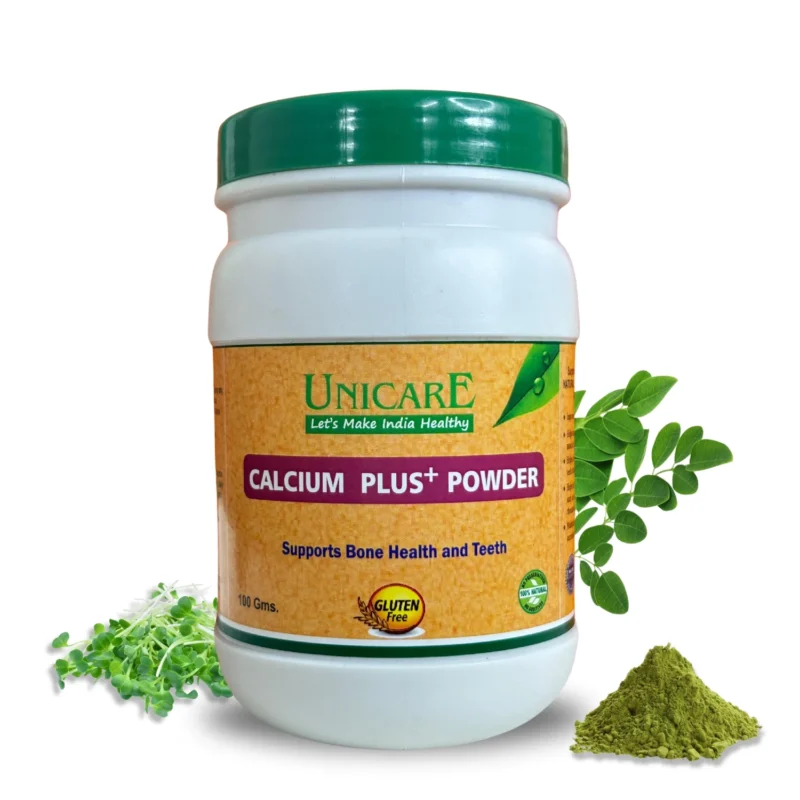
If you are looking for a natural and effective calcium supplement, try:
Benefits:
Helps to strengthens bones and teeth
Improves calcium absorption naturally
Helps to reduce joint pain and stiffness
Helps to prevents osteoporosis and fractures
Boosts overall bone density
This Ayurvedic Calcium Supplement is safe, natural, and effective for both men and women.
Conclusion
Calcium deficiency is a silent health problem that can affect both men and women. From weak bones to serious diseases like osteoporosis, it can reduce the quality of life if ignored.
The good news is – with proper diet, lifestyle changes, and natural supplements like Unicare Calcium Plus Powder, you can restore your calcium levels and stay healthy.
Don’t wait until symptoms get worse – take care of your bones today!