






Cholesterol in Women: What Changes After Menopause

Did you know that many women notice a sudden rise in cholesterol levels after menopause — even if they’ve maintained a healthy lifestyle for years? This is one of the most overlooked effects of hormonal changes. As estrogen levels fall, women lose one of their body’s natural protectors against heart disease.
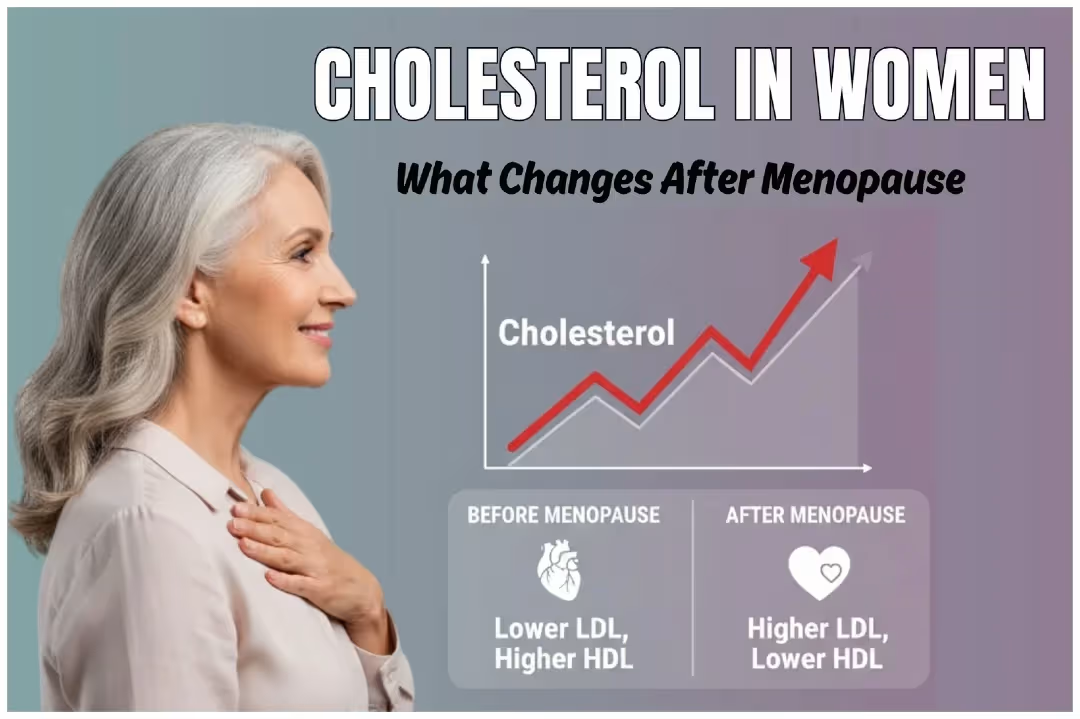
Before menopause, estrogen helps maintain a healthy LDL HDL ratio, promoting good cholesterol (HDL) and lowering bad cholesterol (LDL). But after menopause, the balance shifts — HDL cholesterol normal range often drops, LDL cholesterol increases, and triglycerides start to rise. This transition can lead to a higher cholesterol HDL ratio, which increases the risk of heart disease and atherosclerosis.
If you’re wondering, “Cholesterol kitna hona chahiye?” — ideally, total cholesterol should be below 200 mg/dL, LDL below 100 mg/dL, and HDL above 50 mg/dL for women. Maintaining these numbers naturally is possible through Ayurvedic support and lifestyle correction.
What Is Cholesterol and Why It Matters for Women’s Health
Cholesterol is not entirely bad — your body needs it to produce hormones, build cells, and create vitamin D. However, when LDL (low-density lipoprotein) rises too high, it can stick to artery walls and form plaque. This reduces blood flow and oxygen to the heart.
In contrast, HDL (high-density lipoprotein) helps remove excess cholesterol from the blood, making it protective. The LDL HDL ratio indicates your risk — the higher the LDL compared to HDL, the greater the danger.
Ayurveda teaches that an imbalance in Medo Dhatu (the body’s fat tissue) and accumulation of Ama (toxins) can disturb cholesterol metabolism. Ayurvedic remedies like Hriday Mitra and Lipid Jivan are designed to strengthen heart health, improve lipid balance, and regulate non-HDL cholesterol levels naturally.
How Menopause Affects Cholesterol and Hormones
Estrogen has a significant influence on lipid metabolism. When estrogen drops after menopause, several changes occur:
- LDL cholesterol increases (the “bad” type)
- HDL cholesterol normal range decreases (the “good” type)
- Triglyceride HDL ratio worsens
- Non-HDL cholesterol (total cholesterol minus HDL) rises
These changes often appear between ages 45 and 55, especially in women experiencing early menopause. According to the NCBI Cholesterol Overview, these lipid shifts directly raise cardiovascular risk in postmenopausal women.
Cholesterol and hormones are closely connected — low estrogen levels slow fat metabolism, leading to higher cholesterol buildup. As a result, heart disease risk in women post-menopause becomes almost equal to that of men.
Common Cholesterol Changes After Menopause
| Type | Before Menopause | After Menopause |
| LDL (Bad Cholesterol) | Lower | Increases |
| HDL (Good Cholesterol) | Higher | Decreases |
| Triglycerides | Moderate | Increases |
| Total Cholesterol | Balanced | Rises |
| Cholesterol/HDL Ratio | Healthy | Increases |
When the cholesterol HDL ratio becomes high, arteries may harden (atherosclerosis), increasing heart attack and stroke risk. Monitoring your LDL calculator results and non-HDL cholesterol normal range helps track your cardiovascular health more accurately than just total cholesterol alone.
Read more – Cholesterol Tests Explained: Learn LDL, HDL, Triglycerides & Ratios for Heart Health
Why Cholesterol Levels Rise After Menopause
a. Hormonal Decline
The sharp drop in estrogen after menopause is the main cause. Estrogen improves HDL function and removes LDL from arteries. Without it, LDL cholesterol rises and cholesterol HDL ratio worsens.
b. Slower Metabolism
After age 45, metabolism slows down. Even if diet remains the same, fat starts to accumulate, increasing non-HDL cholesterol levels.
c. Stress and Cortisol
Postmenopausal women often experience stress, insomnia, and anxiety. Cortisol — the stress hormone — promotes fat storage and raises triglyceride HDL ratio, further disrupting lipid balance.
d. Insulin Resistance
Lower estrogen and reduced muscle mass may lead to insulin resistance. This contributes to high triglycerides and low HDL — another red flag for heart health.
Ayurvedic Understanding of Menopause and Cholesterol
In Ayurveda, menopause marks a Vata stage of life. The hormonal shift creates Vata imbalance, slowing digestion and forming Ama (toxins). These toxins clog channels and disturb Medo Dhatu (fat metabolism), causing high cholesterol, weight gain, and fatigue.
Ayurvedic View:
- Vata imbalance → irregular metabolism
- Kapha aggravation → excess fat and heaviness
- Ama accumulation → clogged arteries and inflammation
Unicare’s Ayurvedic medicines like Hriday Mitra and Lipid Jivan are designed to restore balance. Hriday Mitra supports heart muscles and controls LDL HDL ratio, while Lipid Jivan improves digestion, helps in cholesterol reduction, and enhances liver metabolism.
Unicare’s Hriday Mitra and Lipid Jivan: Ayurvedic Support for Heart & Lipid Balance
For those searching for a medicine to reduce cholesterol or the best Ayurvedic medicine for cholesterol, Unicare’s Hriday Mitra and Lipid Jivan offers a safe and herbal approach.
Natural Ways to Maintain Cholesterol Balance After Menopause
1. Eat Heart-Healthy Foods
Include oats, garlic, flaxseed, green leafy vegetables, and antioxidant-rich fruits. Avoid fried and processed foods. These foods help reduce LDL levels and maintain a balanced HDL LDL ratio.
2. Stay Active
Aim for 30 minutes of daily physical activity — walking, yoga, or strength training. Regular exercise improves HDL cholesterol and lowers LDL cholesterol naturally.
3. Manage Stress
Meditation, yoga, and breathing exercises help regulate cortisol levels and improve your triglyceride HDL ratio. Herbal support like Ashwagandha in Hriday Mitra aids in hormonal balance.
4. Maintain Hydration and Detox Regularly
Drink warm water with lemon, avoid alcohol, and practice weekly detox with Ayurvedic herbs like Triphala to cleanse the liver and support cholesterol metabolism.
5. Track Your Lipid Profile
Use an LDL calculator or get a lipid profile test every 6–12 months. Monitor LDL, HDL, non-HDL cholesterol, and total cholesterol HDL ratio to prevent future complications.
When to Consult a Doctor
Seek medical advice if you experience:
- Persistent fatigue or breathlessness
- Chest discomfort or palpitations
- Family history of high cholesterol or heart disease
- Consistently high LDL or non-HDL cholesterol results
Final Thoughts
Menopause is not an end — it’s a new phase of strength and wisdom. Understanding how cholesterol and hormones interact helps women protect their heart health.
With Ayurvedic support from Unicare’s Hriday Mitra and Lipid Jivan, combined with a mindful diet, physical activity, and stress management, you can maintain balanced cholesterol levels and vibrant energy post-menopause.
Remember: your heart deserves care, not fear — and Ayurveda provides the wisdom to nurture it naturally.
Related Products

Hriday Mitra: Ayurvedic Medicine For Cholesterol

Lipid Jivan: Best Herbal Medicine for Managing Cholesterol in India
Earn 14.40 Reward PointsFrequently Asked Questions
The drop in estrogen affects fat metabolism, raising LDL and triglycerides while lowering HDL — worsening the cholesterol HDL ratio.
Yes. Unicare's Hriday Mitra and Unicare's Lipid Jivan contain herbs like Arjuna, Ashwagandha, Pushakar Mool, that help reduce LDL cholesterol, balance HDL levels, and support liver detox.
Total cholesterol should be below 200 mg/dL, with HDL above 50 mg/dL and LDL below 100 mg/dL — or as Ayurveda says, “cholesterol kitna hona chahie” should be balanced in all aspects.
For women, HDL above 50 mg/dL is considered protective and helps maintain a healthy cholesterol HDL ratio.