






Dermatitis: Types, Causes, Symptoms, Ayurvedic Cure & Omega 3 Benefits

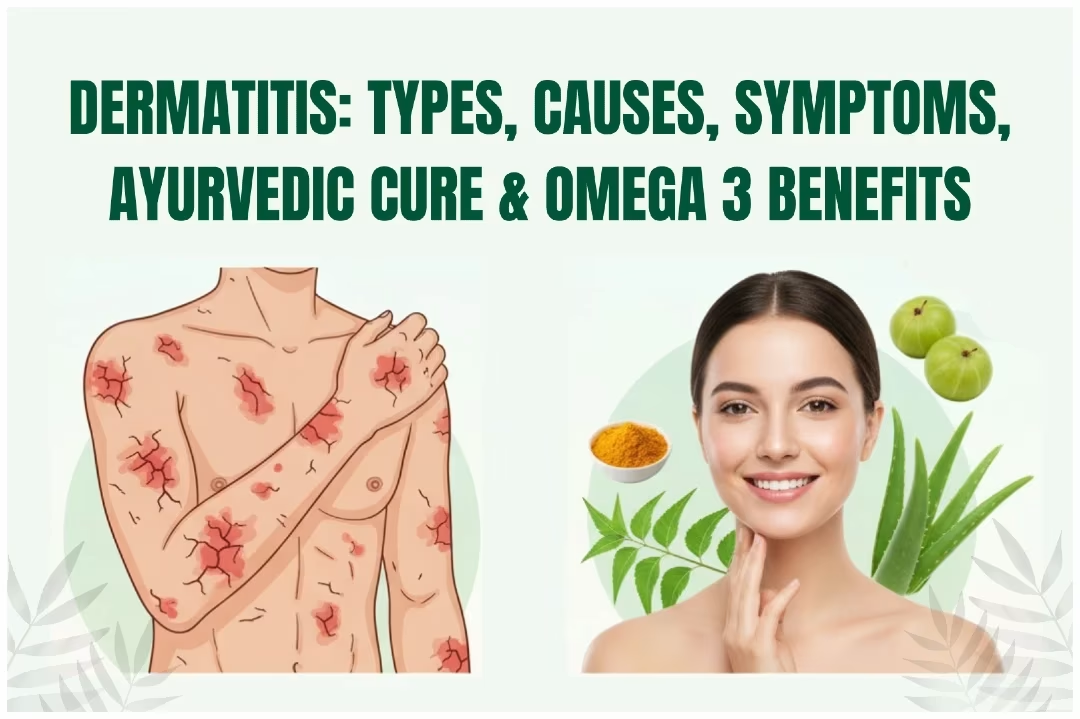
Dermatitis: Complete Guide to Types, Causes, Symptoms & Treatment
Dermatitis is one of those skin problems that many people deal with at some point in their lives. It’s not contagious, but it can definitely be uncomfortable and frustrating. From constant itching to redness, swelling, or even dry patches, dermatitis can really get in the way of enjoying everyday life. But here’s the good news: with the right care and treatments, you can manage it effectively and get your skin back on track.
So, let’s take a closer look at what dermatitis is, the different types, what causes it, how it shows up, and how you can treat it—especially with the help of Ayurvedic medicine and some long-term solutions like Unicare’s Omega 3 1000 mg.
What is Dermatitis?
Dermatitis is a broad term used to describe inflammation of the skin. It appears as red, itchy, and irritated patches that may sometimes blister or ooze. Although the severity varies from person to person, dermatitis usually flares up due to allergens, irritants, stress, or immune system imbalances.
Importantly, dermatitis is not a disease with a single cause but a condition with multiple forms and triggers.
Types of Dermatitis
Dermatitis has many variations. Understanding each type helps in identifying the right treatment:
- Atopic Dermatitis (Eczema):
- Chronic condition, often linked with asthma or hay fever.
- Causes dry, itchy patches mainly on the face, hands, elbows, and knees.
- Contact Dermatitis:
- Triggered when skin comes into contact with irritants (like soaps, detergents, chemicals) or allergens (like nickel, perfumes, plants).
- Causes rashes, redness, and itching.
- Seborrheic Dermatitis:
- Affects oily areas like scalp, face, and chest.
- Leads to dandruff, scaly patches, and redness.
- Dyshidrotic Dermatitis:
- Causes small, itchy blisters on hands and feet.
- Often worsens during stress or hot weather.
- Nummular Dermatitis:
- Appears as coin-shaped patches on the skin.
- Usually extremely itchy and inflamed.
- Stasis Dermatitis:
- Caused by poor circulation, mainly in the legs.
- Associated with swelling, varicose veins, and skin discoloration.
- Neurodermatitis:
- Develops from repeated scratching of itchy spots.
- Thickened, leathery skin is a common sign.
What Causes Dermatitis?
The exact cause of dermatitis depends on the type, but some common triggers include:
- Genetics: Family history of eczema, allergies, or asthma.
- Immune system imbalance: Overreaction to minor irritants.
- Environmental factors: Harsh weather (dry, cold, or humid).
- Irritants: Soaps, detergents, shampoos, cleaning products.
- Allergens: Dust mites, pollen, pet dander, certain foods, or metals.
- Stress: Both physical and emotional stress worsen flare-ups.
- Poor circulation: Leads to stasis dermatitis in legs.
Symptoms of Dermatitis
Dermatitis symptoms may range from mild dryness to severe inflammation:
- Intense itching (sometimes worse at night)
- Redness or rash on affected skin
- Dryness, scaling, or flaking
- Swelling and tenderness
- Oozing blisters or crusting in severe cases
- Thickened, leathery skin due to scratching
Treatment for Dermatitis
Dermatitis treatment focuses on relieving symptoms, reducing inflammation, and preventing flare-ups.
1. Home Remedies & Self-Care
- Apply fragrance-free moisturizers daily.
- Take lukewarm showers, avoid hot water.
- Use mild, non-soap cleansers.
- Wear cotton clothing, avoid synthetic fabrics.
- Identify and avoid triggers.
2. Medical Treatment
- Topical corticosteroids – Reduce itching and inflammation.
- Calcineurin inhibitors (Tacrolimus, Pimecrolimus) – For sensitive areas like the face.
- Antihistamines – Relieve itching and irritation.
- Antibiotics/Antifungals – If secondary infection develops.
- Phototherapy – UV light therapy for severe eczema.
- Oral medicines (steroids, biologics like dupilumab) – For chronic cases.
Ayurvedic Medicine for Skin Allergy & Dermatitis
Ayurveda views skin diseases as imbalances of Pitta and Kapha doshas. Treatments focus on detoxification, improving immunity, and soothing inflammation.
Common Ayurvedic Remedies:
- Neem: Purifies blood, reduces itching and infection.
- Turmeric: Natural anti-inflammatory and antibacterial.
- Aloe Vera: Hydrates skin and soothes irritation.
- Manjistha: Supports detoxification and blood purification.
- Triphala: Improves digestion and reduces toxin buildup.
Ayurvedic herbs combined with lifestyle practices like oil massage (Abhyanga), yoga, and meditation can help manage long-term skin health naturally.
Role of Omega-3 in Dermatitis Management
Omega-3 fatty acids are essential for skin health and reducing inflammation.
Benefits of Omega-3 for Dermatitis:
- Anti-inflammatory action – Reduces redness, swelling, and flare-ups.
- Strengthens skin barrier – Prevents dryness and moisture loss.
- Soothes itching – Helps reduce the urge to scratch.
- Improves healing – Promotes healthy cell regeneration.
Balances immunity – Prevents immune overreaction that triggers dermatitis.
How Unicare’s Omega 3 1000 mg Helps in Dermatitis
Unicare’s Omega 3 1000 mg softgels are enriched with EPA and DHA, the most effective forms of Omega-3.
- Reduces inflammation naturally – Supports smoother, calmer skin.
- Hydrates skin from within – Reduces dryness and flakiness.
- Prevents flare-ups – Helps in long-term management of eczema and dermatitis.
- Boosts overall wellness – Supports brain, heart, and joint health along with skin benefits.
By adding Unicare’s Omega 3 1000 mg to your daily wellness routine, you provide your skin the essential nutrients it needs to heal, repair, and stay protected.
Conclusion
Dermatitis can be frustrating, but with the right knowledge and treatment plan, it can be effectively managed. While modern medicine provides fast relief, Ayurveda and Omega-3 supplements offer natural long-term solutions for skin health.
If you are struggling with skin allergies or dermatitis, adopting a holistic approach – combining self-care, medical treatment, Ayurvedic remedies, and Unicare’s Omega 3 1000 mg – can help you achieve healthier, calmer, and glowing skin.
Related Products

Omega 3 Fatty Acid Capsules 1000 mg In India
Earn 16.50 Reward PointsFrequently Asked Questions
No. Dermatitis is not contagious and cannot spread from person to person.
Yes, stress is a common trigger for flare-ups, especially in atopic dermatitis.
Yes. Research supports Omega-3’s anti-inflammatory and skin barrier benefits. Supplements like Unicare Omega 3 1000 mg are effective in reducing dermatitis symptoms.