Weight gain is one of the most frustrating and emotionally draining symptoms of Polycystic Ovary Syndrome (PCOS). Many women with PCOS feel they gain weight easily and lose it slowly—despite eating less or exercising more. If this sounds familiar, you are not alone.
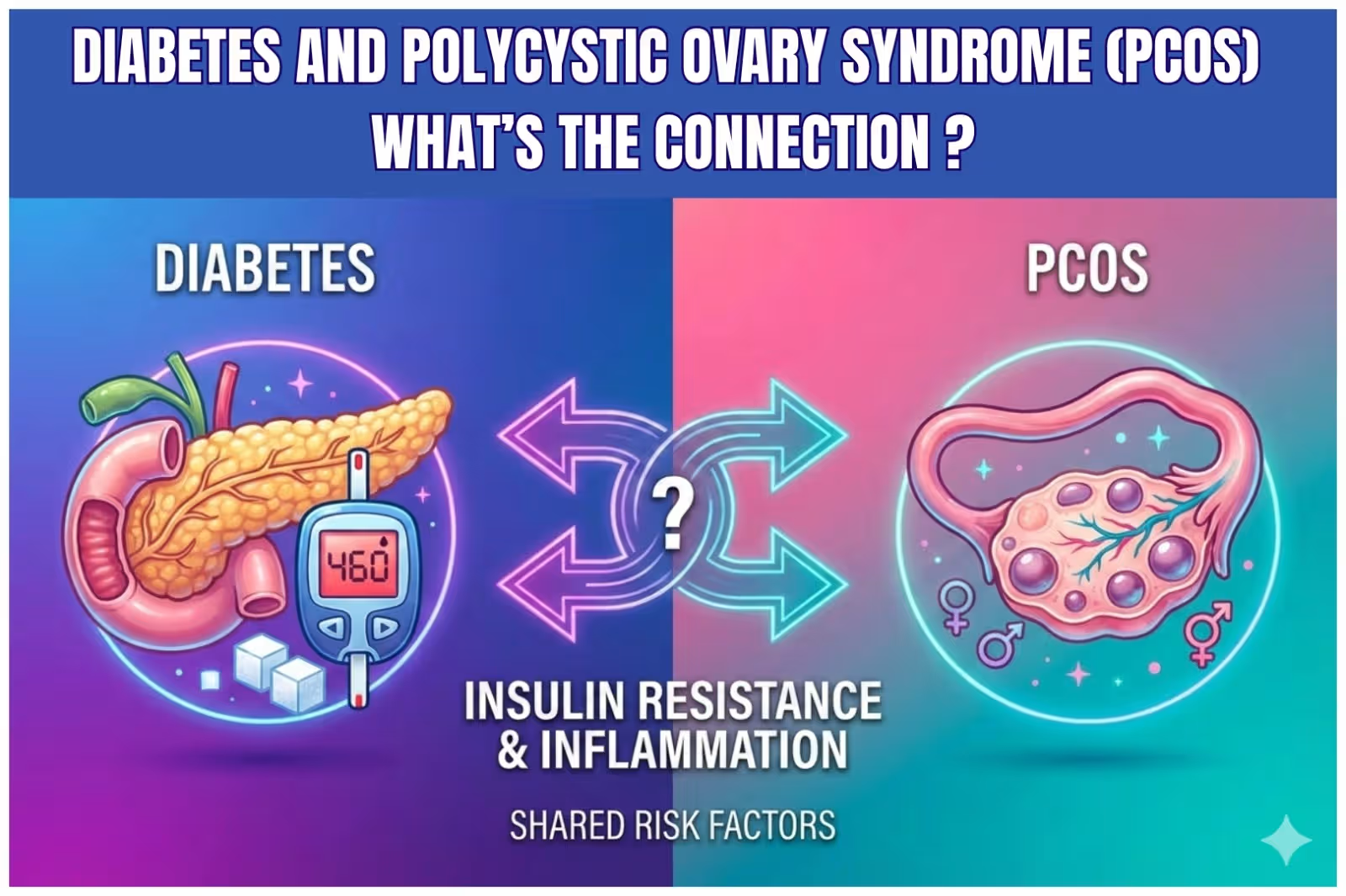
PCOS-related weight gain is not just about calories. It is closely linked to hormonal imbalance, insulin resistance, inflammation, and metabolic dysfunction. That’s why conventional “eat less, move more” advice often fails for women with PCOS.
Targeted dietary changes can significantly improve weight control, hormone balance, and overall health in PCOS.
In this blog, we’ll explore 6 science-backed diet changes that help control weight gain from PCOS—naturally and sustainably.
Understanding Why PCOS Causes Weight Gain
Before diving into diet changes, it’s important to understand why weight gain happens in PCOS.
Key reasons include:
- Insulin resistance (most common cause)
- High androgen levels
- Chronic inflammation
- Hormonal imbalance (estrogen, progesterone, cortisol)
- Slower metabolism
Insulin resistance causes the body to store more fat, especially around the abdomen, even when calorie intake is moderate. This makes dietary quality far more important than quantity alone.
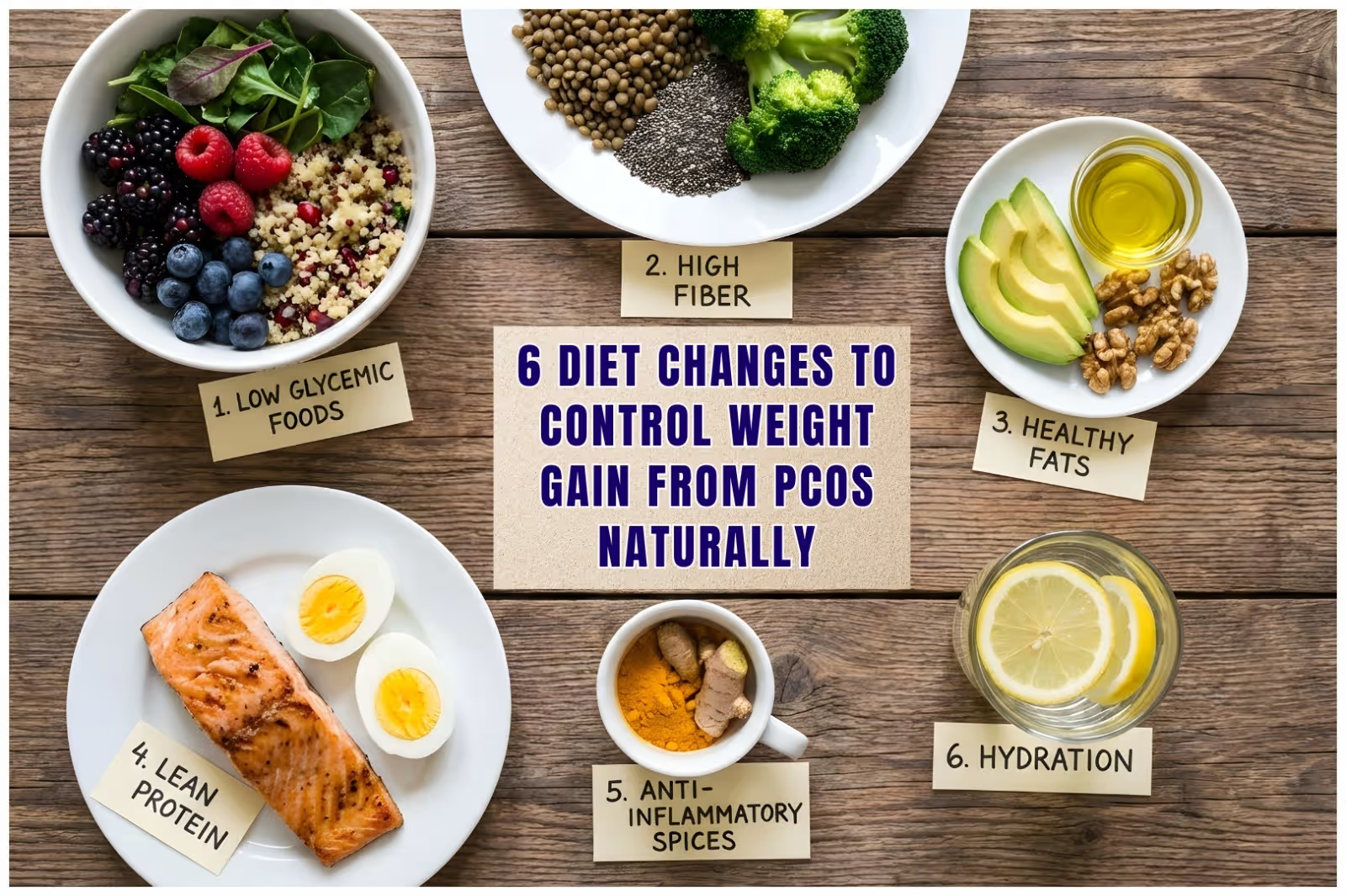
1. Switch to a Low-Glycemic Index (GI) Diet
One of the most powerful diet changes for PCOS weight control is lowering blood sugar spikes.
Why it matters:
- High-GI foods raise blood sugar quickly
- This triggers excess insulin release
- High insulin promotes fat storage and worsens PCOS symptoms
Foods to avoid or limit:
- White rice
- White bread
- Refined flour (maida)
- Sugary snacks
- Packaged juices
- Soft drinks
Low-GI foods to include:
- Whole grains (millets, oats, quinoa, brown rice)
- Lentils and legumes
- Non-starchy vegetables
- Nuts and seeds
- Fruits with fiber (berries, apple, pear)
✔ Result: Better insulin control, reduced cravings, and gradual weight loss.
2. Increase Protein Intake at Every Meal
Protein is a game-changer for women with PCOS.
How protein helps:
- Improves insulin sensitivity
- Reduces hunger hormones
- Keeps you fuller for longer
- Supports muscle mass and metabolism
Ideal protein sources:
- Eggs
- Paneer or tofu
- Greek yogurt or curd
- Lentils, chickpeas, kidney beans
- Fish, chicken (if non-vegetarian)
- Nuts and seeds
Practical tip:
Aim to include 20–30 grams of protein per meal.
✔ Result: Less snacking, improved metabolism, and better weight control.
3. Cut Down on Sugar and Refined Carbohydrates
Sugar is one of the biggest triggers for PCOS weight gain.
Why sugar worsens PCOS:
- Increases insulin resistance
- Promotes fat storage
- Increases inflammation
- Worsens acne and hormonal imbalance
Hidden sugar sources to watch out for:
- Breakfast cereals
- Flavored yogurts
- Sauces and ketchups
- Energy drinks
- Bakery items
Smart alternatives:
- Natural sweeteners (limited amounts of jaggery or dates)
- Fruits instead of desserts
- Dark chocolate (70% cocoa, occasionally)
✔ Result: Reduced belly fat, improved energy levels, and hormone balance.
4. Add Anti-Inflammatory Foods to Your Diet
PCOS is a low-grade inflammatory condition, and inflammation plays a major role in weight gain and hormonal disruption.
Anti-inflammatory foods include:
- Turmeric
- Ginger
- Garlic
- Green leafy vegetables
- Berries
- Tomatoes
- Olive oil
- Fatty fish
Drinks that help:
- Green tea
- Spearmint tea (may reduce testosterone)
- Warm turmeric milk (low sugar)
✔ Result: Reduced bloating, better hormone regulation, and easier weight loss.
Read more – Best Diet Chart for PCOD: Foods to Eat & Avoid
5. Balance Fats Instead of Avoiding Them
Many women with PCOS fear fats—but healthy fats are essential for hormone balance.
Why healthy fats are important:
- Support estrogen and progesterone production
- Reduce inflammation
- Improve satiety
- Stabilize blood sugar
Healthy fats to include:
- Avocados
- Nuts (almonds, walnuts)
- Seeds (chia, flaxseed, pumpkin)
- Olive oil
- Ghee (in moderation)
Avoid:
- Trans fats
- Fried foods
- Hydrogenated oils
- Packaged snacks
✔ Result: Improved hormonal health and reduced cravings.
6. Practice Meal Timing & Portion Control
What you eat matters—but when and how you eat matters too.
Helpful meal timing tips:
- Eat meals at consistent times daily
- Avoid skipping breakfast
- Stop eating at least 2–3 hours before sleep
- Avoid late-night snacking
Portion control strategies:
- Use smaller plates
- Eat mindfully (no screens)
- Chew slowly
- Stop eating at 80% fullness
Intermittent fasting?
Some women with PCOS benefit from 12–14 hour fasting, but longer fasts should be done under medical guidance.
✔ Result: Improved metabolism, better digestion, and steady weight loss.
Lifestyle Support Along with Diet
Diet alone works best when paired with healthy habits:
- Exercise: Strength training + walking
- Stress management: Yoga, meditation, journaling
- Sleep: 7–8 hours daily
- Hormonal support: Ayurvedic or medical guidance if needed
Weight loss in PCOS is slow—but sustainable changes bring lasting results.
Final Thoughts
PCOS-related weight gain is not your fault. It’s a metabolic and hormonal challenge—but one that can be managed with the right approach.
By making these 6 targeted diet changes, you can:
- Improve insulin sensitivity
- Balance hormones
- Reduce inflammation
- Control cravings
- Support sustainable weight loss
Consistency matters more than perfection. Small daily changes can lead to powerful long-term results.