






Blog
Cholesterol Tests Explained: Learn LDL, HDL, Triglycerides & Ratios for Heart Health

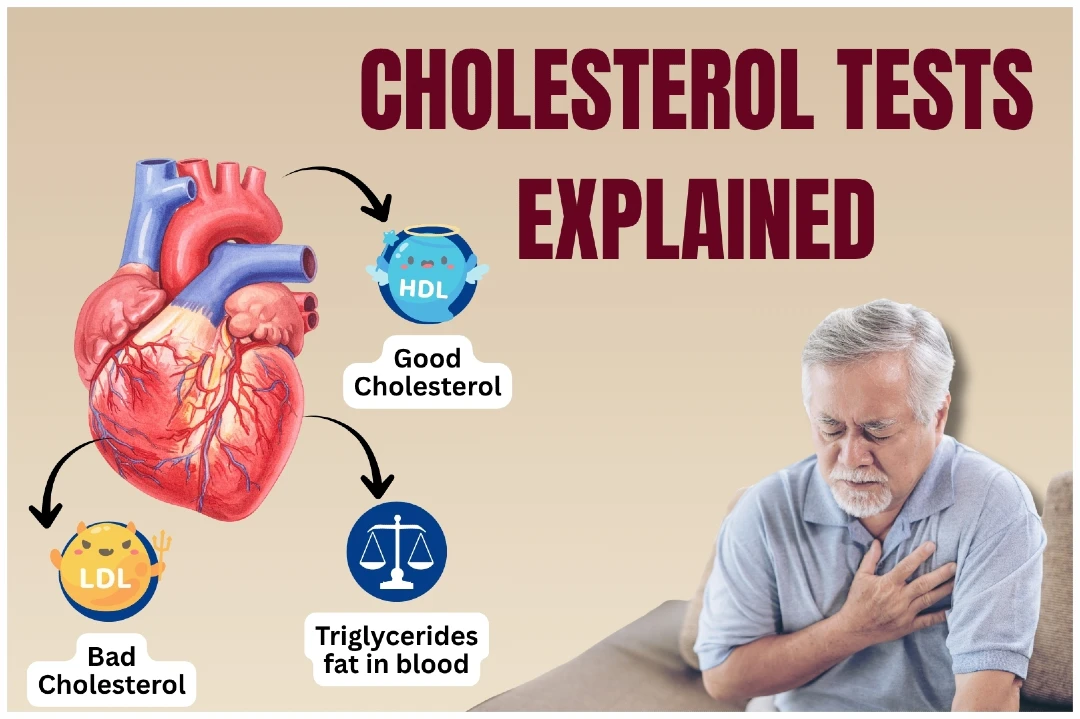
Have you ever looked at your cholesterol test and wondered what all those numbers—LDL, HDL, triglycerides, and cholesterol ratios—mean? You’re not alone! Cholesterol is vital for many body functions, yet when it goes out of balance, it silently damages your heart. This guide explains everything about LDL HDL ratio, HDL cholesterol normal range, and how Ayurveda offers natural solutions like Unicare’s Lipid Jivan and Hriday Mitra to restore heart health.
Let’s decode what your cholesterol test means and how Ayurveda can help you achieve balance.
Understanding Cholesterol and Its Importance
Cholesterol is a waxy, fat-like substance found in all cells. It plays a crucial role in building cell membranes, producing hormones, and synthesizing vitamin D. However, excess cholesterol, especially LDL (Low-Density Lipoprotein), can accumulate in your arteries, leading to blockages and cardiovascular disease.
Your lipid profile test measures key parameters—LDL, HDL, triglycerides, and total cholesterol. Each value tells a story about your heart health. Knowing your HDL normal value and LDL HDL ratio helps you determine if you’re at risk. According to health experts, understanding your cholesterol HDL ratio can be even more informative than total cholesterol alone.
Read more NCBI Cholesterol Overview.
Types of Cholesterol
LDL (Low-Density Lipoprotein) – The “Bad” Cholesterol
LDL carries cholesterol to your arteries. When levels are high, it can deposit in artery walls, forming plaque that narrows or blocks blood flow.
Optimal Range: Less than 100 mg/dL
HDL (High-Density Lipoprotein) – The “Good” Cholesterol
HDL helps remove excess cholesterol from your bloodstream, carrying it to the liver for elimination. Higher HDL means better heart protection.
Optimal Range: Above 60 mg/dL
Triglycerides – The Energy Fat
Triglycerides store unused calories as fat. While necessary in small amounts, high levels can increase heart risk—especially when combined with high LDL or low HDL.
Optimal Range: Less than 150 mg/dL
What Is LDL Cholesterol and Why Does It Matter?
LDL (Low-Density Lipoprotein) is often called the “bad cholesterol.” It carries cholesterol from your liver to your arteries. When levels are too high, LDL contributes to plaque formation, narrowing arteries and increasing heart disease risk.
LDL kitna hona chahiye? Ideally, your LDL should be below 100 mg/dL. If your LDL HDL ratio is higher than 3.0, it indicates an elevated risk of heart problems. Ayurveda recognizes this imbalance as an accumulation of toxins (Ama) and aggravated Kapha dosha.
To naturally manage LDL, limit saturated fats, increase fiber intake, and use Ayurvedic formulations like Unicare’s Lipid Jivan and Hriday Mitra — both designed as medicine to reduce cholesterol and support healthy lipid metabolism.
These herbal products contain Arjuna, Daruhaldi and Pushkarmool, which help balance LDL and enhance heart function. Modern research supports these herbs as natural ways to lower very low density lipoprotein (VLDL) and triglycerides.
HDL Cholesterol – The “Good” Cholesterol
HDL (High-Density Lipoprotein) removes excess cholesterol from your bloodstream, transporting it to the liver for elimination. A higher HDL protects your heart by reducing plaque buildup.
The HDL cholesterol normal range is above 60 mg/dL. The HDL normal value ensures efficient cleansing of blood vessels. A chol HDL ratio low (less than 3.0) means your heart is well-protected.
To increase HDL naturally, focus on:
- Regular exercise (walking, yoga, swimming)
- Healthy fats from olive oil, walnuts, and flaxseeds
- Herbal support from Hriday Mitra and Lipid Jivan, which contain Arjuna, Ashwagandha and Pusharkarmool for improved circulation
Maintaining your total cholesterol HDL ratio within 4.5 or below is key to long-term cardiovascular safety. Ayurveda encourages holistic practices—diet, herbs, and meditation—to boost HDL and overall heart strength.
The Role of Triglycerides in Heart Health
Triglycerides are the most common type of fat in your body. They store unused calories and provide energy. However, high triglyceride levels increase heart disease risk—especially if combined with low HDL or high LDL.
The triglyceride HDL ratio offers insight into insulin sensitivity and cardiovascular health. Ideally, this ratio should be below 2.0.
Ayurveda suggests avoiding refined sugars, alcohol, and deep-fried foods to manage triglycerides. Herbal formulations like Lipid Jivan are known to improve lipid metabolism and helps to reduce triglycerides naturally—making it one of the best medicines for cholesterol and triglyceride management.
Total Cholesterol and Ratios: What’s Ideal?
Beyond individual numbers, your cholesterol HDL ratio provides a complete picture of your heart health. Here’s how to read your results:
Test Type | Healthy Range | What It Indicates |
Total Cholesterol | < 200 mg/dL | Overall cholesterol level |
LDL/HDL Ratio | < 3.0 | Ideal balance between “bad” and “good” cholesterol |
Total Cholesterol/HDL Ratio | < 4.5 | Indicates heart protection |
Triglyceride/HDL Ratio | < 2.0 | Suggests good insulin sensitivity |
Non-HDL Cholesterol | < 130 mg/dL | Measures all “bad” cholesterols combined |
The non-HDL cholesterol number is vital—it includes LDL and very low density lipoprotein (VLDL). According to the non-HDL cholesterol normal range, anything below 130 mg/dL is ideal. In non-HDL cholesterol in Hindi, it’s called “burā cholesterol” (बुरा कोलेस्ट्रॉल).
If your cholesterol kitna hona chahie question arises, here’s a simple guide:
- Total cholesterol: < 200 mg/dL
- LDL: < 100 mg/dL
- HDL: > 60 mg/dL
- Triglycerides: < 150 mg/dL
You can calculate your own levels using an LDL calculator or LDL formula to track progress.
Ayurveda’s View on Cholesterol Imbalance
Ayurveda sees cholesterol imbalance as an outcome of sluggish digestion (Agni) and excess Kapha dosha. Poor metabolism leads to Ama (toxins), which stick to artery walls—similar to modern plaque buildup.
Ayurvedic texts recommend balancing Kapha through detoxification, diet moderation, and herbal support. Unicare’s Lipid Jivan and Hriday Mitra are crafted precisely for this purpose. They contain natural Arjuna, Daruhaldi , Ashwagandha and Pushkarmool—all scientifically backed for reducing LDL and improving HDL levels.
Regular consumption, along with a balanced daily cholesterol intake, helps normalize lipid metabolism and support arterial flexibility.
Diet and Lifestyle Tips for Cholesterol Management
Managing cholesterol doesn’t rely on supplements alone. Your daily cholesterol intake and lifestyle play a huge role.
Diet Tips:
Eat more fiber (oats, barley, apples, flaxseeds)
Include omega-3 fatty acids (flaxseeds, walnuts, chia seeds)
Limit refined carbs, sugar, and alcohol
Replace butter with cold-pressed oils (like mustard or olive oil)
Lifestyle Habits:
Exercise for 30 minutes daily
Practice deep breathing and meditation
Maintain healthy body weight
Avoid smoking and excess alcohol
When and How Often Should You Get Tested?
A lipid profile test helps track your cholesterol status.
- Adults over 20 should get tested every 1–2 years.
- People with diabetes, hypertension, or family heart disease history should test more often.
Evaluate changes using an LDL calculator. Tracking ratios like total cholesterol HDL ratio gives better insights than just total cholesterol.
Summary
Understanding your LDL HDL ratio, HDL normal value, and non-HDL cholesterol levels empowers you to make better health decisions. Ayurveda helps you not only control cholesterol but also strengthen your heart naturally.
Lipid Jivan supports lipid metabolism and lowers “bad” cholesterol, while Hriday Mitra enhances heart function and promotes better circulation. Together, they provide a holistic path toward healthy cholesterol management.
So next time you wonder, “cholesterol kitna hona chahie?”, remember—Ayurveda has the answer. With herbal support, mindful diet, and balanced living, you can keep your LDL HDL ratio, triglyceride HDL ratio, and total cholesterol HDL ratio in perfect harmony.
Related Products

Hriday Mitra: Best Ayurvedic Medicine For Cholesterol in India

Lipid Jivan: Ayurvedic Herbal Juice for Cholesterol Control in India
Total cholesterol below 200 mg/dL, LDL under 100, HDL above 60, and triglycerides below 150
Unicare's Lipid Jivan and Hriday Mitra are the best Ayurvedic medicines helps to reduce cholesterol naturally.
Below 130 mg/dL is ideal. In Hindi, non-HDL cholesterol is “बुरा कोलेस्ट्रॉल”.
Yes, herbs like Guggul, Arjuna, Ashwagandha and Daruhaldi helps to reduce LDL and improve HDL naturally.
Use an LDL calculator or the LDL formula: LDL = Total Cholesterol - HDL - (Triglycerides ÷ 5).