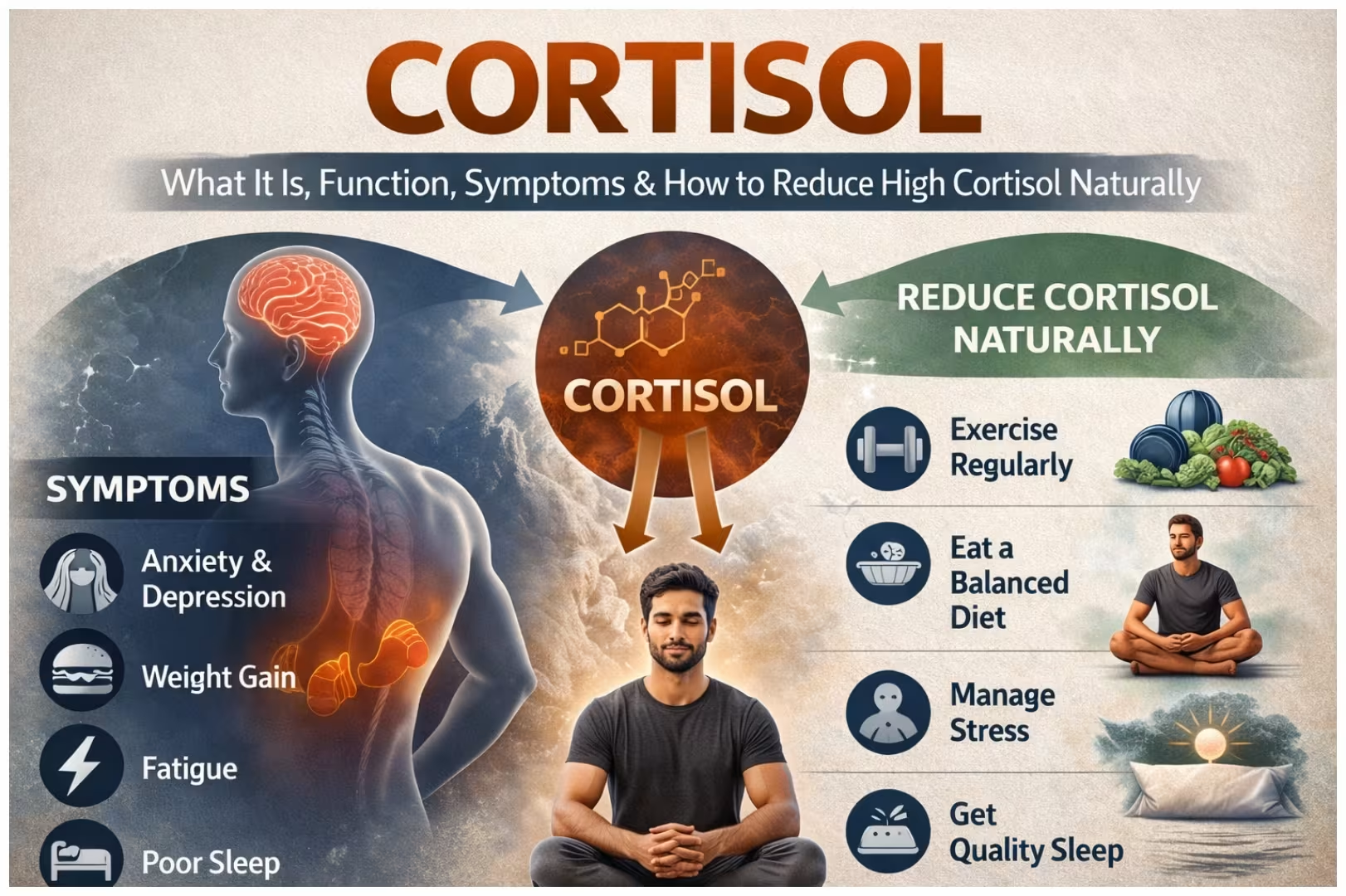
The Role of Cortisol in the Body: A Deeper Insight
Cortisol is involved in multiple biological systems. Let’s understand its functions in detail:
1. Stress Response: The Fight-or-Flight Mechanism
When you face a stressful situation—whether physical or emotional—your brain signals the adrenal glands to release cortisol.
This leads to:
- Increased heart rate
- Higher energy availability
- Sharper focus
This response is helpful in short bursts, but chronic stress leads to continuous cortisol release, which becomes harmful over time.
2. Metabolism and Energy Regulation
Cortisol plays a key role in converting:
- Proteins
- Fats
- Carbohydrates
into usable energy.
However, high cortisol levels can:
- Increase appetite
- Trigger sugar cravings
- Lead to weight gain (especially belly fat)
3. Blood Sugar Control
Cortisol increases glucose levels in the blood to provide quick energy.
But prolonged high levels can lead to:
- Insulin resistance
- Increased risk of diabetes
4. Sleep-Wake Cycle Regulation
Cortisol follows a natural rhythm:
- High in the morning (to wake you up)
- Low at night (to help you sleep)
When this cycle is disrupted:
- You may feel tired in the morning
- You may struggle to sleep at night
5. Hormonal Balance (Especially in Women)
Cortisol directly impacts other hormones like:
- Estrogen
- Progesterone
- Thyroid hormones
High cortisol often leads to:
- Hormonal imbalance
- PCOS symptoms
- Irregular periods
4 Important Things You Must Know About Cortisol and Stress
1. Stress is Not Always Mental
Even physical factors like poor diet, lack of sleep, or over-exercising can increase cortisol.
2. Chronic Stress is Dangerous
Occasional stress is normal, but long-term stress leads to hormonal imbalance and health issues.
3. Cortisol Affects Weight
High cortisol promotes fat storage, especially in the abdominal area.
4. Sleep and Cortisol Are Interconnected
Poor sleep increases cortisol, and high cortisol disrupts sleep – a cycle that worsens over time.
High Cortisol Levels: Causes You Should Not Ignore
Modern lifestyle habits are the biggest contributors to elevated cortisol levels. Major causes include:
- Chronic emotional stress
- Lack of sleep
- Excess caffeine intake
- Poor diet (junk food, sugar)
- Sedentary lifestyle
- Hormonal disorders
- Overworking without rest
Symptoms of High Cortisol Levels
| Category | Symptoms |
|---|
| Physical Symptoms | Weight gain (especially belly fat) Constant fatigue Acne & skin issues Hair thinning or hair fall Frequent illness |
| Emotional Symptoms | Anxiety and stress Mood swings Irritability Difficulty concentrating |
| Hormonal Symptoms (Women) | Irregular periods PCOS Low libido Hormonal acne |
How to Reduce Cortisol Naturally: A Holistic Approach
Managing cortisol requires lifestyle changes along with natural support.
1. Prioritize Sleep (Sleep for 7–8 hours)
2. Practice Stress Management (Meditation, Yoga and Deep breathing)
3. Follow a Nutrient-Rich Diet (Whole foods, Fruits and vegetables and Healthy fats)
4. Exercise Regularly (Moderate exercise helps lower cortisol, but excessive workouts can increase it)
5. Adopt Ayurvedic Solutions like Unicare Nari Urja for Long-Term Balance
How Ayurveda Helps in Managing Cortisol Naturally
According to Ayurveda, chronic stress and hormonal imbalance are often linked to an aggravated Vata dosha, which disrupts the nervous system and overall body balance. Ayurvedic herbs work holistically to calm the mind, support hormonal harmony, boost energy, and restore internal stability.
Key herbs like Ashwagandha (stress and cortisol reduction), Shatavari (female hormonal support), Brahmi (mental calmness), and Amla (immunity and vitality) play an important role in managing cortisol naturally.
In today’s high-stress lifestyle, diet and exercise alone may not be enough. This is where Unicare Nari Urja acts as a powerful Ayurvedic support system—helping reduce stress, balance hormones, and restore overall well-being from within.
Conclusion
Cortisol plays a vital role in your body, but when stress becomes chronic, it can disrupt your overall health—especially for women by affecting hormones, energy levels, and emotional well-being.
Managing cortisol effectively requires a holistic approach that includes lifestyle balance, stress management, proper nutrition, and Ayurvedic support like Nari Urja. Instead of just treating the symptoms, it’s important to address the root cause for long-term wellness.
Feeling stressed, tired, or hormonally imbalanced?
Choose a natural path to better health with Nari Urja – designed to help balance hormones, reduce stress, and restore your energy.
Start your journey towards a healthier, more balanced life today.