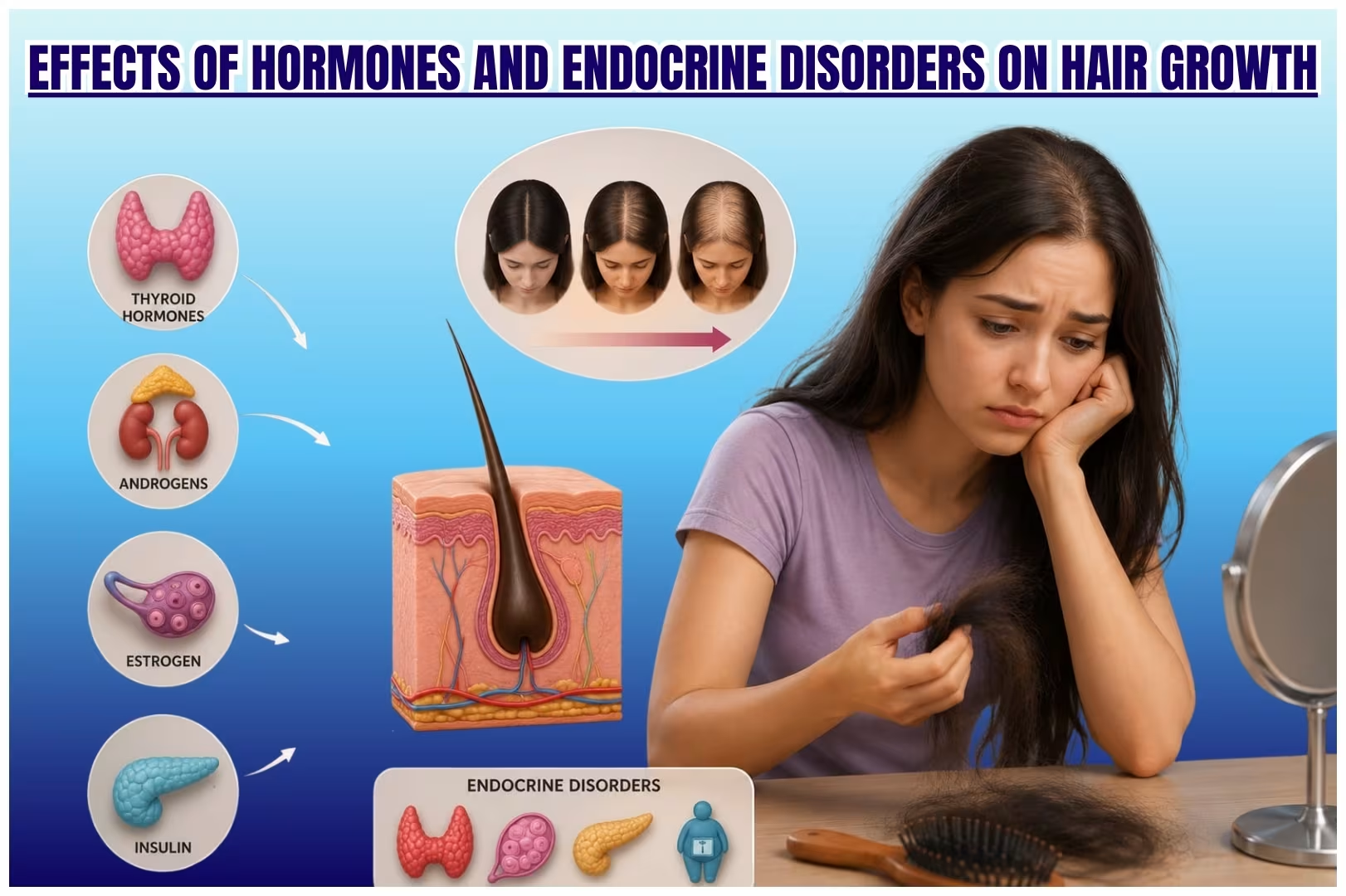
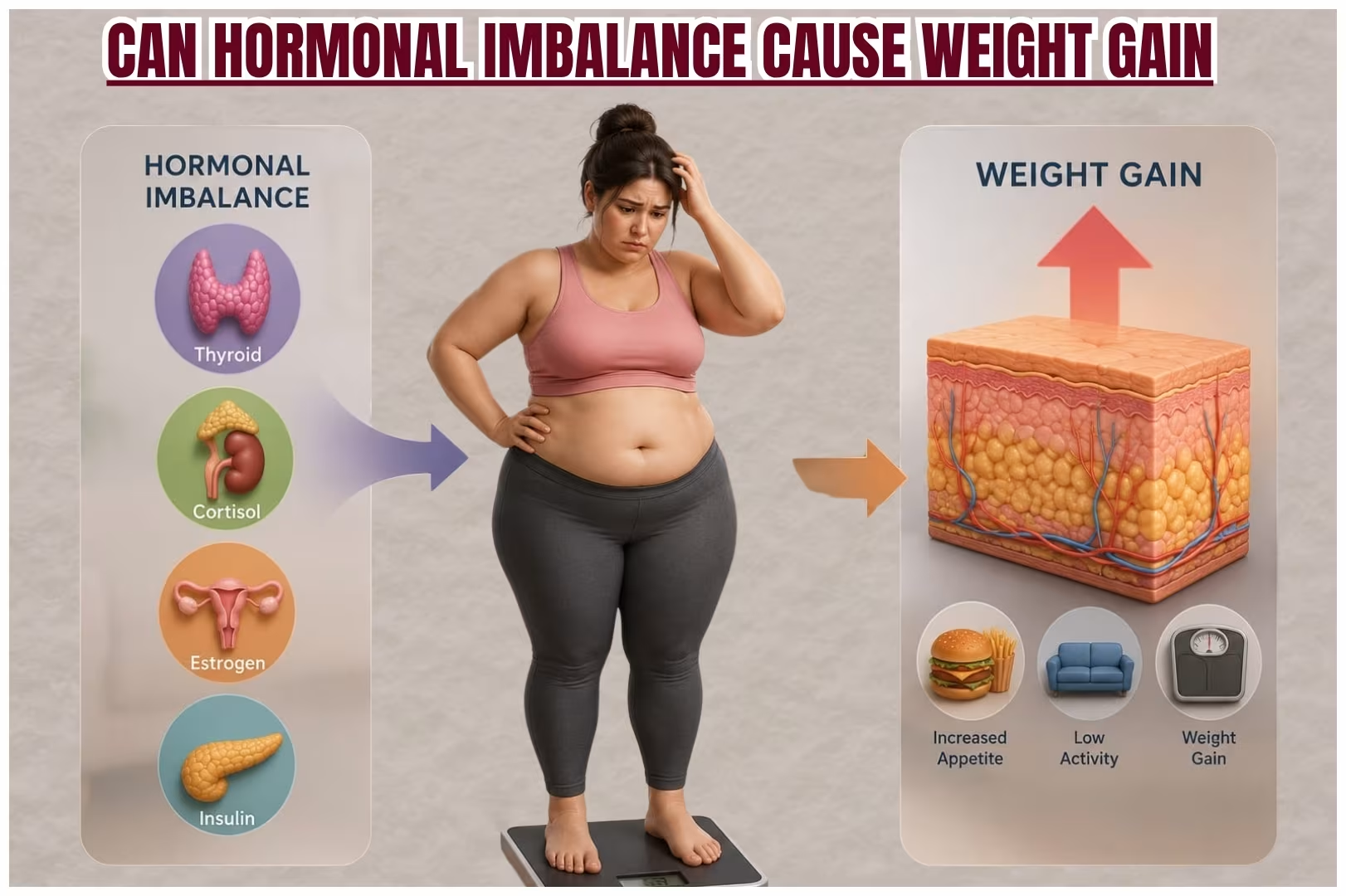
Hair is often considered a reflection of overall health. While factors like nutrition, stress, and genetics influence hair growth, hormones play one of the most significant roles in maintaining healthy, strong, and thick hair. When hormones become imbalanced due to endocrine disorders, hair growth cycles can be disrupted, leading to hair thinning, excessive shedding, or even baldness.
Many people notice sudden hair fall without realizing that conditions such as thyroid disorders, PCOS, menopause, diabetes, insulin resistance, and hormonal fluctuations may be the underlying cause. Understanding the connection between hormones and hair health is the first step toward effective treatment and prevention.
What Are Hormones and Why Are They Important for Hair Growth?
Hormones are chemical messengers produced by the endocrine glands. They regulate various body functions, including:
Hair growth occurs in three phases:
1. Anagen Phase (Growth Phase)
This is the active growth stage where hair follicles produce new hair.
2. Catagen Phase (Transition Phase)
Hair growth slows down, and follicles begin shrinking.
3. Telogen Phase (Resting Phase)
Hair naturally sheds, making room for new growth.
Hormonal imbalances can shorten the growth phase and increase the shedding phase, resulting in noticeable hair loss.
How Hormonal Imbalance Causes Hair Loss
When hormone levels fluctuate, hair follicles become sensitive to these changes. This may lead to:
-
Excessive hair shedding
-
Hair thinning
-
Receding hairline
-
Slow hair growth
-
Weak hair roots
-
Pattern baldness
Both men and women can experience hormonal hair loss, although the causes may differ.
Read more – Hormonal Imbalance: Causes, Symptoms & Natural Remedies
Which Hormones Affect Hair Growth?
1. Androgens (Testosterone and DHT)
Dihydrotestosterone (DHT) is one of the primary hormones associated with hair thinning.
High DHT levels can:
Women with PCOS often experience elevated androgen levels, which can trigger hair thinning.
2. Estrogen
Estrogen helps keep hair in the growth phase for longer periods.
Healthy estrogen levels:
-
Promote thicker hair
-
Reduce shedding
-
Support scalp health
A decline in estrogen during menopause or after childbirth may cause significant hair loss.
3. Progesterone
Progesterone helps balance androgen activity in women.
Low progesterone may:
4. Thyroid Hormones
The thyroid gland regulates metabolism and influences hair follicle function.
Both hypothyroidism and hyperthyroidism can cause:
-
Dry hair
-
Brittle hair
-
Hair thinning
-
Excessive hair fall
Thyroid disorders are among the most common endocrine causes of hair loss.
5. Insulin
Insulin resistance may contribute to hormonal imbalance.
High insulin levels can:
6. Cortisol (Stress Hormone)
Chronic stress increases cortisol levels.
High cortisol can:
-
Interrupt the hair growth cycle
-
Push follicles into the shedding phase
-
Cause diffuse hair loss known as Telogen Effluvium
Endocrine Disorders That Cause Hair Loss
Polycystic Ovary Syndrome (PCOS)
PCOS is one of the leading causes of hormonal hair loss in women.
Symptoms include:
-
Irregular periods
-
Acne
-
Weight gain
-
Hair thinning
-
Excess facial hair
Women with PCOS often experience increased androgen production, leading to scalp hair loss.
Read more – PCOS vs PCOD: Simple Guide to Causes, Symptoms, Diagnosis & Treatment
Thyroid Disorders
Both underactive and overactive thyroid conditions affect hair health.
Common signs:
-
Diffuse hair loss
-
Dry scalp
-
Fatigue
-
Weight changes
Menopause
During menopause, estrogen and progesterone levels decline significantly.
This may cause:
-
Hair thinning
-
Increased shedding
-
Reduced hair volume
Read more – Menopause: What It Is, Age, Stages, Signs & Side Effects
Pregnancy and Postpartum Hormonal Changes
Many women experience thicker hair during pregnancy due to elevated estrogen levels. However, postpartum hormone fluctuations often result in temporary hair loss.
Diabetes and Insulin Resistance
Poor blood sugar control can affect blood circulation to hair follicles and contribute to hormonal hair loss.
Symptoms of Hormonal Hair Loss
You may have hormonal hair loss if you notice:
-
Increased hair shedding
-
Thinning at the crown
-
Widening hair part
-
Reduced hair density
-
Hair fall during brushing or washing
-
Slow hair regrowth
-
Associated symptoms like acne, irregular periods, fatigue, or weight gain
How to Control Hormonal Imbalance Hair Loss Naturally
Eat a Hormone-Balancing Diet
Include:
-
Leafy greens
-
Nuts and seeds
-
Protein-rich foods
-
Fresh fruits
-
Healthy fats
Manage Stress
Activities such as:
-
Yoga
-
Meditation
-
Deep breathing
-
Walking
can help lower cortisol levels and support healthy hair growth.
Sleep Well
Aim for 7–8 hours of quality sleep daily to maintain hormonal balance.
Stay Physically Active
Regular exercise improves:
-
Insulin sensitivity
-
Blood circulation
-
Hormone regulation
Maintain Scalp Health
Use gentle herbal hair care products and avoid excessive heat styling.
Try Nari Urja by Unicare Remedies is an Ayurvedic formulation designed to support women’s hormonal health and overall wellness.
Best Treatment for Hormonal Hair Loss
The most effective treatment depends on the underlying cause.
Options may include:
-
Hormone evaluation and testing
-
Treatment of thyroid disorders
-
PCOS management
-
Nutritional support
-
Stress reduction
-
Ayurvedic wellness support
-
Hair growth therapies recommended by healthcare professionals
Early diagnosis significantly improves treatment outcomes.
Read more – How to Get Tested for Hormonal Imbalance in Women
Conclusion
Hormonal imbalance and endocrine disorders can have a profound impact on hair growth. Conditions such as PCOS, thyroid disorders, menopause, stress, and insulin resistance may disrupt the hair growth cycle and lead to excessive hair loss.
The good news is that identifying the root cause and taking a comprehensive approach—including healthy nutrition, stress management, medical guidance, and Ayurvedic support like Nari Urja can help restore hormonal balance and promote healthier hair growth.
By understanding how hormones affect your hair, you can take proactive steps to protect your hair health and overall well-being.