






Blog
How Sleep Affects Your Immune System

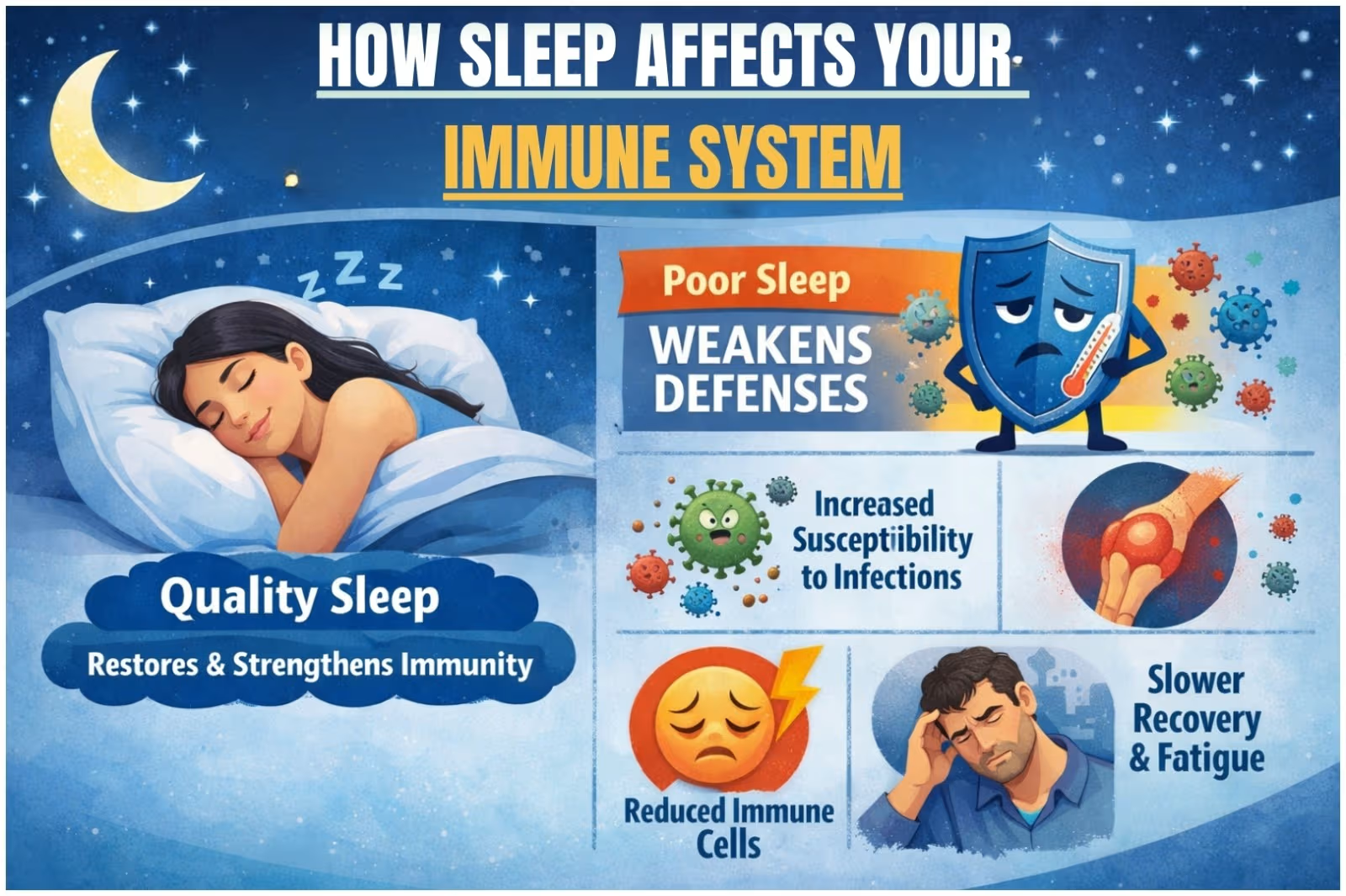
Think about the last time you caught a cold or felt unusually tired. Chances are, your sleep schedule wasn’t at its best. Maybe you were staying up late, waking up tired, or constantly feeling “rested but not refreshed.” That’s not a coincidence.
In today’s fast-paced lifestyle, sleep is often the first thing we sacrifice. Late-night scrolling turns into a habit, work stress refuses to switch off, meal timings go for a toss, and suddenly getting enough sleep feels optional. But here’s the truth—sleep is not a luxury; it’s a biological necessity, especially for your immune system.
Modern science and Ayurveda surprisingly say the same thing here: consistent, quality sleep strengthens immunity from the inside out. When you sleep well, your body uses that time to repair tissues, regulate inflammation, balance hormones, and activate immune cells that protect you from infections. It’s like a nightly reset button for your health.
But when sleep becomes irregular or insufficient, the immune system struggles to keep up. Inflammation rises, recovery slows down, and the body becomes more prone to frequent infections, low energy, and long-term health issues. Over time, poor sleep doesn’t just make you tired—it quietly weakens your body’s natural defense system.
So if you’ve been falling sick more often, feeling constantly drained, or taking longer to recover than usual, your sleep patterns could be the missing link.
Let’s dive deeper into how sleep affects your immune system, the best time to sleep for stronger immunity, and how simple Ayurvedic support can help you sleep better and stay healthier—naturally
Sleep and Immune Function: What Really Happens When You Sleep
So, what exactly is your body doing while you’re asleep?
Contrary to popular belief, your body isn’t “switching off” at night. In fact, this is when your immune system becomes most active. Sleep is the time when your body goes into repair mode—quietly fixing, restoring, and strengthening itself.
During deep sleep:
Your body produces cytokines, special proteins that help fight infections and inflammation
Immune cells like T-cells become more efficient at identifying and destroying harmful pathogens
Stress hormones such as cortisol come down, allowing immunity to function properly
Damaged cells and tissues begin to repair themselves
This is why a good night’s sleep often makes you feel better emotionally and physically.
But when sleep is disturbed—late nights, irregular schedules, or shallow sleep—the immune system doesn’t get enough time to complete these essential processes. Over time, this weakens your natural defense system and makes you more vulnerable to seasonal infections, frequent colds, slow recovery, and chronic inflammation.

Arogya Urja Pack Of 3: Best Detox Drink & Immunity Booster
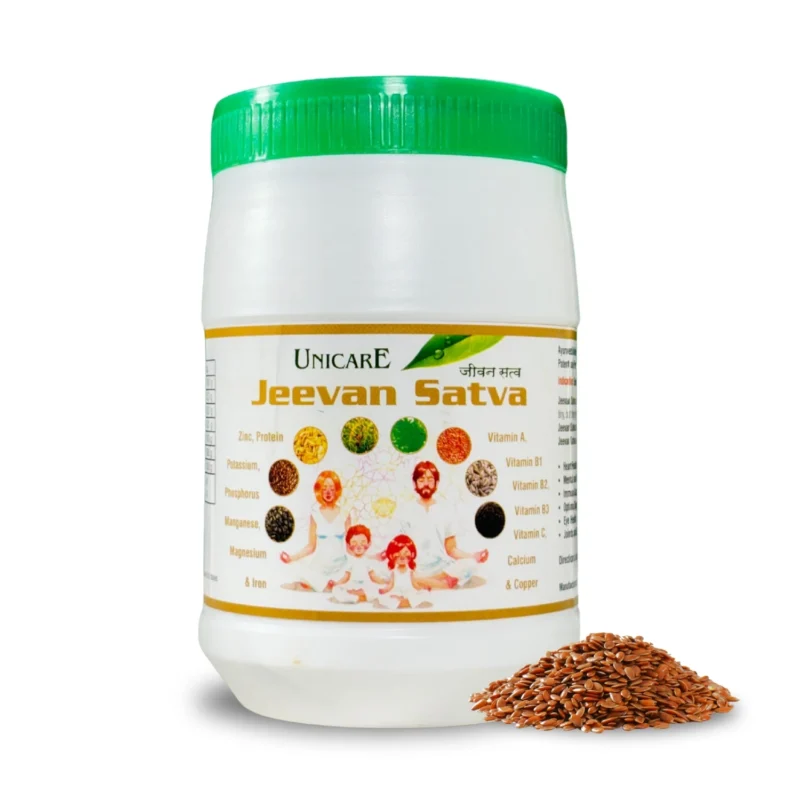
Jeevan Satva: Ayurvedic Supplement to Boost Hemoglobin & Immunity
Ayurveda’s Take on Sleep and Immunity
Ayurveda has emphasized the importance of sleep for thousands of years. It considers Nidra (sleep) one of the three pillars of health, along with Ahara (diet) and Vihara (lifestyle).
According to Ayurveda:
Quality sleep nourishes Ojas, the vital essence responsible for immunity and vitality
Poor or irregular sleep leads to weakened digestion, mental stress, and reduced resistance to disease
A calm nervous system is essential for both deep sleep and strong immunity
This is where stress-balancing Ayurvedic herbs play an important role—especially for people who struggle to fall asleep or wake up feeling unrested.
Why Stress, Sleep & Immunity Are Deeply Connected
One of the biggest sleep disruptors today is stress.
When stress levels remain high:
Cortisol stays elevated
Melatonin (sleep hormone) gets suppressed
Sleep becomes light or fragmented
Immune response weakens
This creates a cycle: poor sleep increases stress, and stress further disturbs sleep, directly impacting immunity.
Ayurvedic adaptogens like Ashwagandha help break this cycle by calming the nervous system, reducing stress, and supporting deeper, more restorative sleep—which in turn strengthens immune health.
Best Time to Sleep for a Strong Immune System
Now that we know why sleep matters, let’s talk about when you should sleep—because timing plays a huge role in immunity.
Your body follows a natural internal clock called the circadian rhythm. This rhythm controls sleep, hormone release, digestion, and immune activity. When you sleep in sync with it, your immune system functions at its best.
So, what’s the ideal sleep timing?
Best time to sleep: Between 10:00 PM and 10:30 PM
Best time to wake up: Between 5:30 AM and 6:30 AM
Ideal sleep duration: 7–9 hours for adults
Sleeping late at night—especially after midnight—disrupts melatonin production. Melatonin isn’t just a sleep hormone; it’s also a powerful antioxidant that supports immune function.
Ayurveda and Early Sleep
Ayurveda strongly recommends sleeping early to maintain balance in the body. Late nights aggravate Vata and Pitta doshas, leading to:
Restlessness and anxiety
Poor digestion
Weakened immunity
Frequent fatigue
By aligning your sleep with nature’s rhythm, you allow the body to restore its strength and immunity naturally.
How Sleeping Helps Your Immune System Recover Faster from Illness
Have you ever noticed how your body naturally wants more sleep when you’re sick? That’s your immune system asking for support.
Sleep plays a crucial role in healing and recovery.
When you sleep during illness:
The body produces more infection-fighting antibodies
Inflammation reduces, allowing faster tissue repair
Energy is redirected toward healing instead of daily activity
Immune cells work more efficiently
This is why people who get adequate rest during illness often recover faster than those who continue with disrupted sleep schedules.
On the other hand, lack of sleep during illness can:
Prolong recovery time
Increase weakness and fatigue
Make symptoms feel worse
Raise the risk of complications
Simply put, sleep acts like medicine for your immune system—free, natural, and incredibly powerful.
Creating Better Sleep Habits to Strengthen Immunity Naturally
Improving sleep doesn’t always require drastic lifestyle changes. Simple habits that support better sleep and immunity:
1. Stick to a regular sleep schedule
Going to bed and waking up at the same time trains your body to sleep deeply.
2. Reduce screen exposure before bed
Blue light from phones and laptops suppresses melatonin. Try switching off screens at least one hour before bedtime.
3. Eat light and early dinners
Heavy or late meals interfere with digestion and disturb sleep quality.
4. Calm your mind before sleep
Deep breathing, meditation, or gentle stretching can help relax the nervous system.
5. Support sleep with Ayurvedic nutrition
Herbs that reduce stress and balance the nervous system—like Ashwagandha—can significantly improve sleep quality and immune health.
This is where a well-formulated Ayurvedic drink can help support both sleep and immunity without creating dependency.
Arogya Urja – Ayurvedic Detox Drink & Immunity Booster by Unicare Remedies is a scientifically formulated Ayurvedic drink that supports detoxification, immunity, stress relief, and sleep quality.
Key Benefits:
Contains Ashwagandha, which promotes better sleep and stress management
Helps detoxify the body, reducing immune burden
Strengthens natural immunity
Supports overall vitality and energy
Conclusion: Sleep Is Your Body’s Natural Immune Shield
Sleep is not a luxury—it’s a biological necessity for immune strength. By improving sleep timing, quality, and consistency—and supporting the body with Ayurvedic herbs like Ashwagandha—you can naturally enhance immunity and overall well-being.
If you’re looking for a holistic solution that supports sleep, stress relief, detoxification, and immunity, Arogya Urja Ayurvedic Detox Drink is a powerful daily companion.
Sleep better. Heal faster. Strengthen immunity—naturally.
Frequesntly Asked Questions
Sleep directly influences immune cell production, cytokine release, and stress hormone balance. Poor sleep weakens immunity, while quality sleep strengthens defense mechanisms and speeds recovery.
Healthy sleep patterns regulate immune hormones, reduce inflammation, and enhance the body’s ability to fight infections. Consistent sleep improves immune memory, helping the body respond better to pathogens.
Yes. Chronic sleep deprivation reduces antibody production and increases susceptibility to infections.
Adults need 7–9 hours of quality sleep for optimal immune health.
Absolutely. Deep sleep stages are when immune repair and regeneration are most active.
Yes. Ashwagandha improves sleep quality, reduces stress, and enhances immune resilience.
Ayurvedic formulations like Arogya Urja support detox, stress reduction, and better sleep patterns.