


Blog
Omega-3 Supplement Interactions: Safety Guide, Side Effects & Who Should Avoid It


Omega 3 Fatty Acid Capsules 1000 mg In India
Original price was: ₹1,035.₹825Current price is: ₹825.
Omega-3 fatty acids are among the most recommended supplements for improving heart health, brain function, and reducing inflammation. From supporting cholesterol levels to enhancing skin and joint health, their benefits are undeniable.
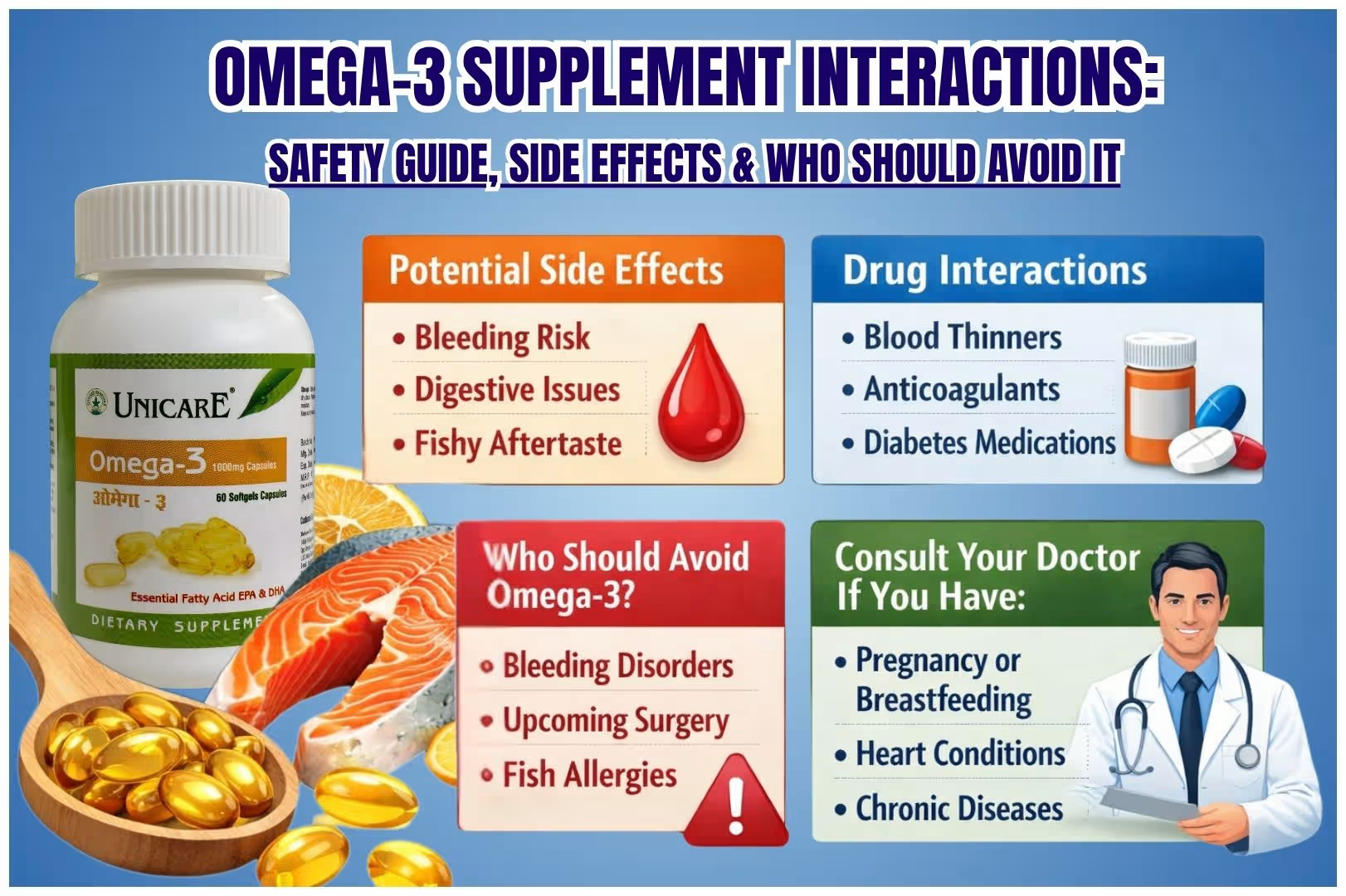
However, despite being natural and widely used, Omega-3 supplements can interact with certain medications, which may affect their safety and effectiveness.
If you are planning to include Omega-3 capsules in your daily routine, this guide will help you understand potential interactions, precautions, and how to use them safely.
Omega-3 fatty acids—especially EPA (Eicosapentaenoic Acid) and DHA (Docosahexaenoic Acid)—have strong physiological effects on the body.
They can:
Because of these effects, Omega-3 may interact with medications that target similar functions.
Before starting Omega-3 supplements, you should be aware of these key interactions:
Omega-3 fatty acids can enhance the effect of blood-thinning drugs such as:
Since Omega-3 naturally reduces blood clotting, combining it with these medications may increase the risk of bleeding.
In some heart conditions, this combination may be beneficial – but only under medical supervision.
If you are taking medications for diabetes such as:
Omega-3 supplements may slightly affect fasting blood sugar levels.
This could require monitoring and adjustment of medication dosage.
Cyclosporine is commonly used in transplant patients.
Omega-3 fatty acids may help reduce its side effects, including:
This interaction may be supportive but should always be monitored by a healthcare provider.
Omega-3, particularly EPA, may enhance the effectiveness of treatments used for skin conditions like psoriasis.
These include:
Omega-3 may help improve treatment outcomes and reduce inflammation.
Omega-3 supplements can work alongside statins such as:
They may help:
This combination is often beneficial when guided by a doctor.
Common NSAIDs include:
Some studies suggest Omega-3 may reduce the risk of ulcers caused by NSAIDs.
However, more research is needed in humans to confirm this benefit.
You should be cautious with Omega-3 if you:
Always consult your doctor before starting supplementation.
To maximize benefits and minimize risks:
✔ Take the recommended dosage (usually 1000 mg daily)
✔ Consume with meals for better absorption
✔ Avoid combining with medications without guidance
✔ Choose high-quality, purified supplements
Unicare Omega-3 1000mg Fatty Acid Capsules Best Omega-3 Supplement for Daily Use
Add it to your routine today for a healthier tomorrow
Omega-3 supplements offer powerful health benefits – but understanding their interactions is essential for safe use.
By being aware of how Omega-3 works with medications, you can:
The key is informed usage + quality supplementation
Start your journey towards better heart, brain, and overall wellness with Unicare Omega-3 1000mg Fatty Acid Capsules
Unicare’s product is available for PAN-India delivery, with fast and reliable shipping across key regions including Karnataka, Delhi NCR, Andhra Pradesh, Telangana, Karnataka, Jharkhand, New Delhi and Odisha etc.
Yes, Omega-3 supplements are generally safe when taken in recommended doses (around 1000 mg daily).
Yes, especially if you are on medication or have a medical condition.
When combined with blood-thinning medications, it may increase bleeding risk.
Yes, it helps reduce triglycerides and supports cardiovascular health.
Yes, but they should monitor blood sugar levels and consult a doctor.
No account yet?
Create an Account