






Blog
Side Effects of Hormonal Imbalance in Females


Nari Urja pack of 3: Best Ayurvedic Syrup for Hormonal Imbalance & Irregular Period
Original price was: ₹3,780.₹2,100Current price is: ₹2,100.
Hormonal imbalance is a common concern among women and can impact everything from metabolism to mood. When your hormones are out of sync, it can cause significant changes in your body, leading to uncomfortable symptoms. Understanding these side effects can help you recognize the signs early and seek appropriate treatment.
Hormonal imbalance occurs when there is either too much or too little of a hormone in the bloodstream. These hormones regulate critical body functions like metabolism, energy, mood, and reproductive health. Hormonal imbalances can happen during puberty, pregnancy, menopause, or due to underlying health conditions.
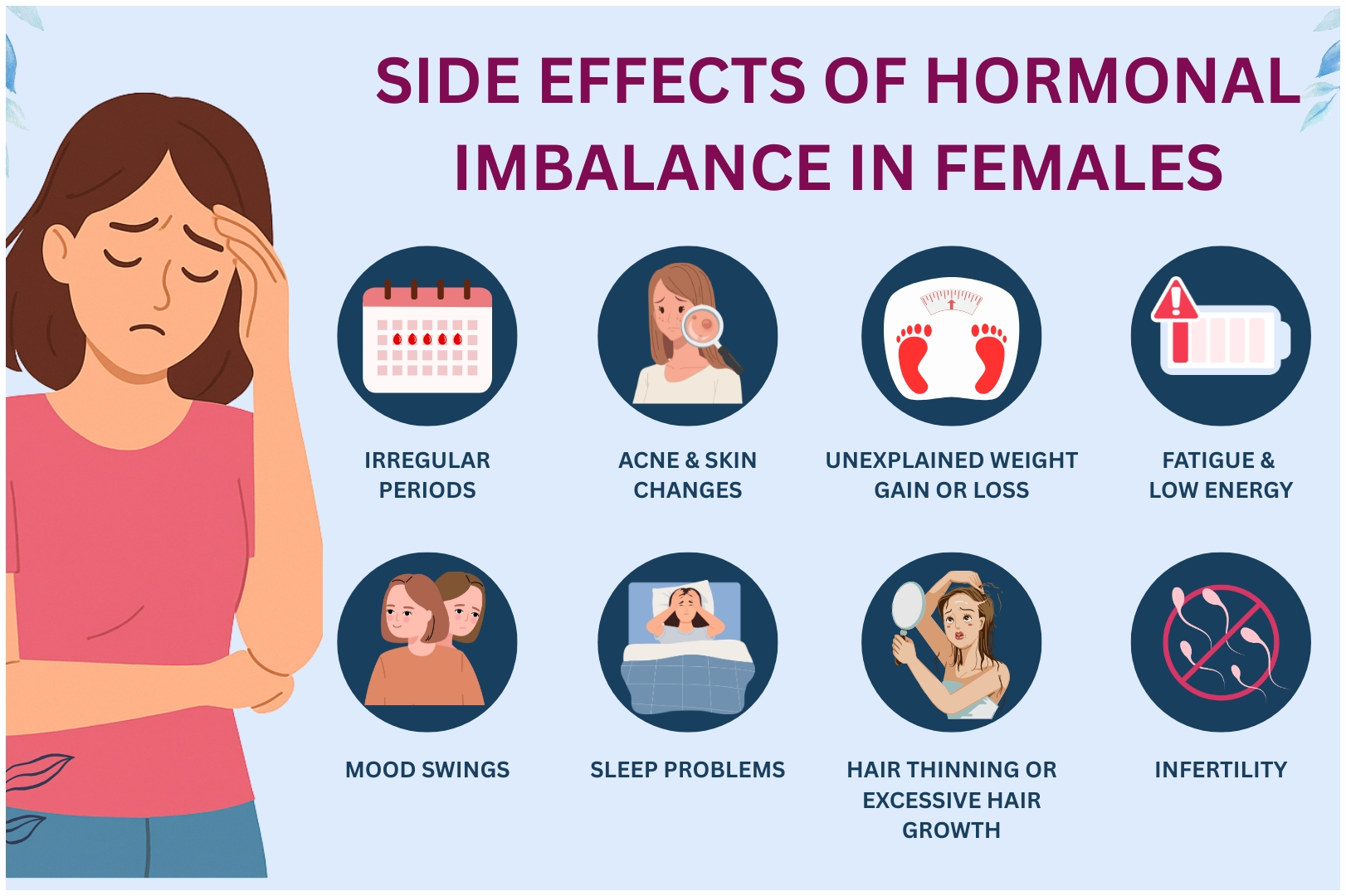
Irregular Periods: One of the most common signs of hormonal imbalance is irregular periods. This may include missed periods, heavy bleeding, or periods that last longer than usual. It’s often linked to imbalances in estrogen and progesterone.
Unexplained Weight Gain or Loss: Hormones regulate fat storage and metabolism. When these hormones are disrupted, it can result in unexplained weight gain or loss, often noticeable around the abdomen.
Mood Swings: Fluctuating hormones can lead to sudden mood changes, including irritability, anxiety, or depression. These mood swings are commonly caused by shifts in estrogen, progesterone, or thyroid hormones.
Fatigue and Low Energy: Imbalances in thyroid hormones, cortisol, or estrogen can lead to excessive fatigue and low energy, even after a full night’s sleep.
Acne and Skin Changes: Hormonal changes can lead to acne, oily skin, or dryness. These fluctuations often occur during puberty, pregnancy, or menopause due to shifts in hormones like testosterone and estrogen.
Hair Thinning or Excessive Hair Growth: Hormonal imbalances can cause hair issues. Low estrogen may lead to thinning hair, while high androgen levels (male hormones) can cause excessive facial or body hair growth, a condition known as hirsutism.
Sleep Problems: Hormonal imbalances can affect the sleep-wake cycle. Imbalances in progesterone or cortisol can make it harder to fall asleep, leading to insomnia or poor-quality sleep.
Infertility: When reproductive hormones are out of balance, they can interfere with ovulation, making conception more difficult. Conditions like PCOS are linked to hormonal imbalance and infertility.
Hormonal imbalance can be triggered by various factors, including:
How to Balance Hormones Naturally
If you’re dealing with hormonal imbalance, several natural methods can help restore balance:
Herbal Remedies: Ayurvedic herbs like Ashwagandha, Shatavari, and Triphala are known for supporting hormonal balance. Ashwagandha, for example, helps reduce stress and supports thyroid health.
Healthy Diet: Eating a nutrient-dense diet rich in healthy fats, lean proteins, and plenty of fruits and vegetables is essential for hormonal health. Foods like avocados, nuts, seeds, and omega-3-rich fish support hormone production.
Exercise Regularly; Exercise helps regulate hormones, manage weight, and reduce stress. Yoga and meditation can also help reduce cortisol levels, promoting hormonal balance.
Manage Stress: Chronic stress affects hormone levels. Practicing mindfulness, deep breathing, and ensuring adequate sleep can help lower stress and promote hormonal equilibrium.
Sleep Well: Getting 7-8 hours of restful sleep each night can help regulate the hormones responsible for hunger, metabolism, and stress.
If you experience any of the symptoms above, it’s important to consult a healthcare provider. A doctor can run tests to identify the root cause of the imbalance and recommend appropriate treatments.[/vc_column_text][vc_column_text css=””]
Hormonal imbalances in women can significantly affect overall health, but with the right knowledge and lifestyle adjustments, they can be managed. Whether the cause is stress, diet, or a medical condition, understanding your body and seeking the right treatment can help restore balance. Natural remedies, including Ayurvedic herbs, along with a healthy diet and stress management, can support hormonal health.
For those looking for natural products to aid in hormone health, Unicare Remedies offers Ayurvedic supplements like Nari Urja, designed to promote hormonal balance and overall wellness.
No account yet?
Create an Account