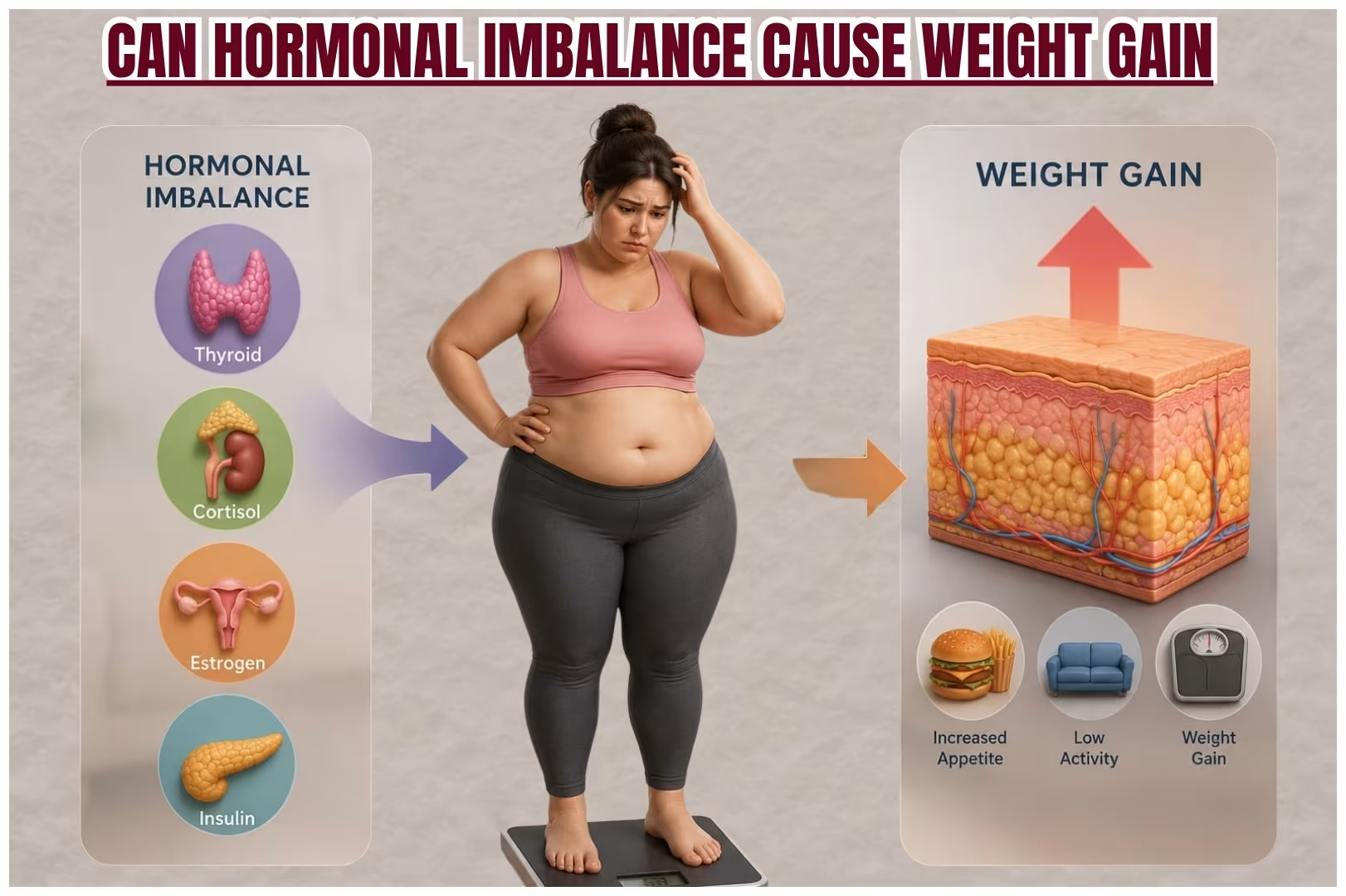
How Does Hormonal Imbalance Cause Weight Gain?
Hormonal imbalances can affect body weight in several ways:
1. Slower Metabolism
Certain hormones regulate how efficiently your body burns calories. When these hormones are out of balance, metabolism may slow down, causing the body to store more fat.
2. Increased Appetite
Hormonal fluctuations can increase hunger and cravings, especially for sugary and processed foods.
3. Fat Storage
Hormones influence where fat is stored in the body. Imbalances may cause increased abdominal fat, hip fat, or overall weight gain.
4. Water Retention
Some hormonal conditions lead to fluid retention, making you feel bloated and heavier.
5. Reduced Energy Levels
Low energy caused by hormonal disturbances can reduce physical activity and calorie expenditure.
Hormones That Can Cause Weight Gain
1. Insulin
Insulin regulates blood sugar levels. When cells become resistant to insulin, the body produces more insulin to compensate.
High insulin levels can:
- Increase fat storage
- Promote hunger
- Make weight loss difficult
Insulin resistance is commonly associated with obesity and Type 2 diabetes.
2. Thyroid Hormones
The thyroid gland produces hormones that regulate metabolism.
An underactive thyroid (hypothyroidism) can cause:
- Weight gain
- Fatigue
- Slow metabolism
- Cold sensitivity
- Dry skin
Even mild thyroid dysfunction can contribute to gradual weight gain.
3. Cortisol (Stress Hormone)
Cortisol is released during stress.
Chronic stress can lead to:
- Increased appetite
- Cravings for sugary foods
- Abdominal fat accumulation
- Sleep disturbances
High cortisol levels are one of the most common hormonal causes of weight gain.
Read more – Cortisol: What It Is, Function, Symptoms & How to Reduce High Cortisol Naturally
4. Estrogen
Estrogen is a key female hormone.
When estrogen levels become imbalanced, women may experience:
- Weight gain
- Bloating
- Mood swings
- Irregular periods
Estrogen fluctuations commonly occur during:
- Puberty
- Pregnancy
- Perimenopause
- Menopause
5. Progesterone
Low progesterone levels may contribute to:
- Water retention
- Bloating
- Increased appetite
- Hormonal weight gain
Progesterone and estrogen work together to maintain hormonal balance.
6. Leptin
Leptin signals the brain when the body has enough stored energy.
Leptin resistance can cause:
- Constant hunger
- Overeating
- Weight gain
7. Ghrelin
Known as the “hunger hormone,” ghrelin stimulates appetite.
Elevated ghrelin levels may lead to:
- Increased food intake
- Frequent hunger
- Difficulty losing weight
8. Testosterone
Women also produce testosterone in small amounts.
Low testosterone levels may result in:
- Reduced muscle mass
- Slower metabolism
- Increased body fat
Common Signs of Hormonal Weight Gain
Hormonal weight gain often comes with additional symptoms.
Signs include:
- Sudden weight gain
- Weight gain around the abdomen
- Difficulty losing weight
- Fatigue
- Irregular menstrual cycles
- Mood swings
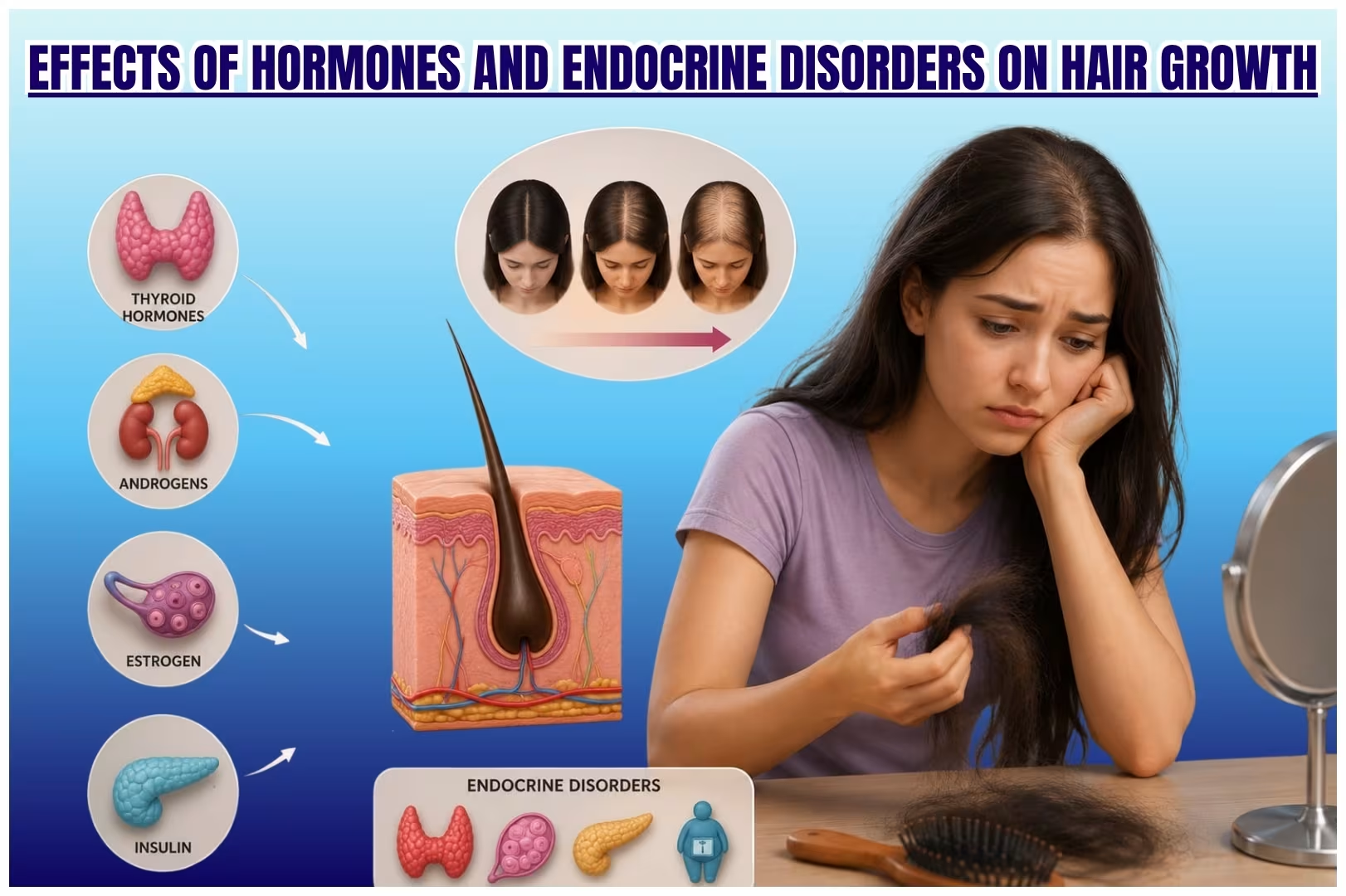
- Hair thinning
- Acne
- Poor sleep
- Increased cravings
- Bloating
- Low libido
If you notice several of these symptoms together, hormones may be contributing to your weight concerns.
Hormonal Conditions Linked to Weight Gain
Polycystic Ovary Syndrome (PCOS)
PCOS is one of the most common hormonal disorders affecting women.
Symptoms include:
- Weight gain
- Irregular periods
- Acne
- Excess facial hair
- Insulin resistance
Women with PCOS often find it difficult to lose weight due to hormonal disruptions.
Read more – PCOS vs PCOD: Simple Guide to Causes, Symptoms, Diagnosis & Treatment
Hypothyroidism
An underactive thyroid slows metabolism and may cause:
- Unexplained weight gain
- Fatigue
- Depression
- Constipation
Menopause
During menopause, estrogen levels decline significantly.
This can lead to:
- Increased abdominal fat
- Slower metabolism
- Muscle loss
- Weight gain
Cushing’s Syndrome
This condition occurs when cortisol levels remain elevated for long periods.
Symptoms include:
- Weight gain around the face and abdomen
- Fatigue
- High blood pressure
Why Women Are More Prone to Hormonal Weight Gain
Women experience multiple hormonal transitions throughout life. These include:
Puberty – Rapid hormonal changes can affect appetite and body composition.
Pregnancy – Hormonal shifts support fetal development but may also contribute to weight gain.
Postpartum Period – Hormonal recovery after childbirth can make weight management challenging.
Perimenopause and Menopause – Declining estrogen levels increase the risk of abdominal weight gain and metabolic changes.
Ayurvedic Perspective on Hormonal Weight Gain
According to Ayurveda, hormonal imbalances often result from disturbances in the body’s natural energies (Doshas). Factors such as stress, poor diet, sedentary lifestyle, lack of sleep can disrupt hormonal harmony and lead to weight gain.
Ayurvedic herbs traditionally used to support women’s hormonal health include shatavari, ashwagandha, lodhra, ashoka, guduchi, these herbs help support overall hormonal balance and reproductive wellness.
Try Unicare’s Nari Urja: Ayurvedic Support for Women’s Hormonal Health
When to Consult a Doctor
Seek medical advice if you experience:
- Rapid unexplained weight gain
- Severe fatigue
- Missed or irregular periods
- Hair loss
- Persistent bloating
- Difficulty losing weight despite lifestyle changes
A healthcare professional can evaluate hormone levels and recommend appropriate treatment.
Conclusion
Hormonal imbalance can absolutely contribute to weight gain. Hormones such as insulin, estrogen, progesterone, cortisol, thyroid hormones, leptin, and ghrelin all influence appetite, metabolism, and fat storage.
If you are experiencing unexplained weight gain along with symptoms such as fatigue, mood swings, irregular periods, or sleep disturbances, hormones may be playing a role.
The good news is that hormonal weight gain can often be managed through healthy lifestyle changes, stress reduction, quality sleep, regular exercise, and natural support from Ayurvedic solutions like Nari Urja. Understanding the root cause is the first step toward restoring balance and achieving long-term health.