


Blog
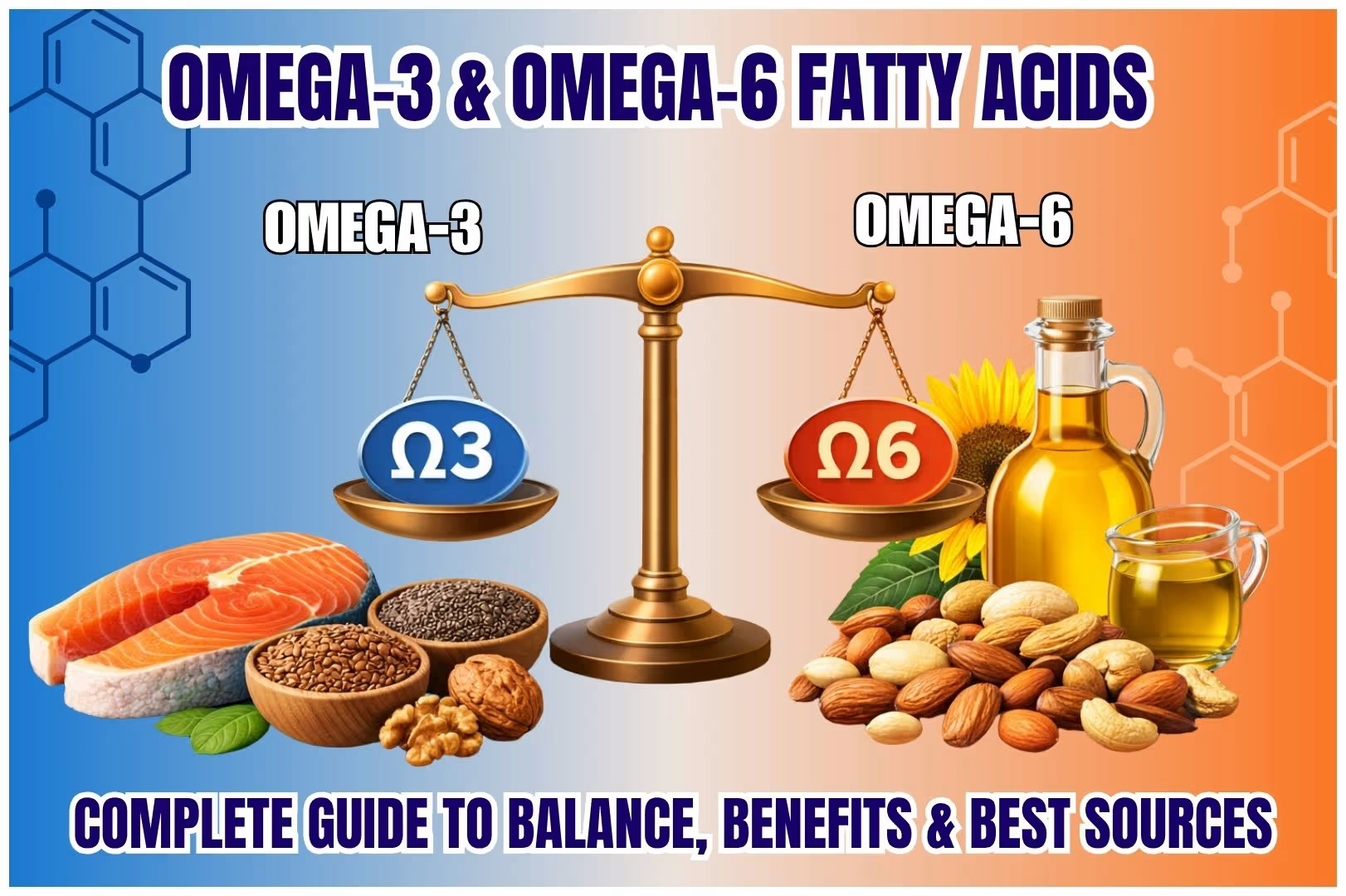
Omega-3 & Omega-6 Fatty Acids: Complete Guide to Balance, Benefits & Best Sources


Omega 3 Fatty Acid Capsules 1000 mg In India
Original price was: ₹1,035.₹825Current price is: ₹825.
For years, fats have been misunderstood and often avoided. But the truth is—not all fats are harmful. In fact, certain fats are absolutely essential for your body to function properly.
Among these, Omega-3 and Omega-6 fatty acids are two of the most important. They influence everything from your brain and heart health to your cells and hormones.
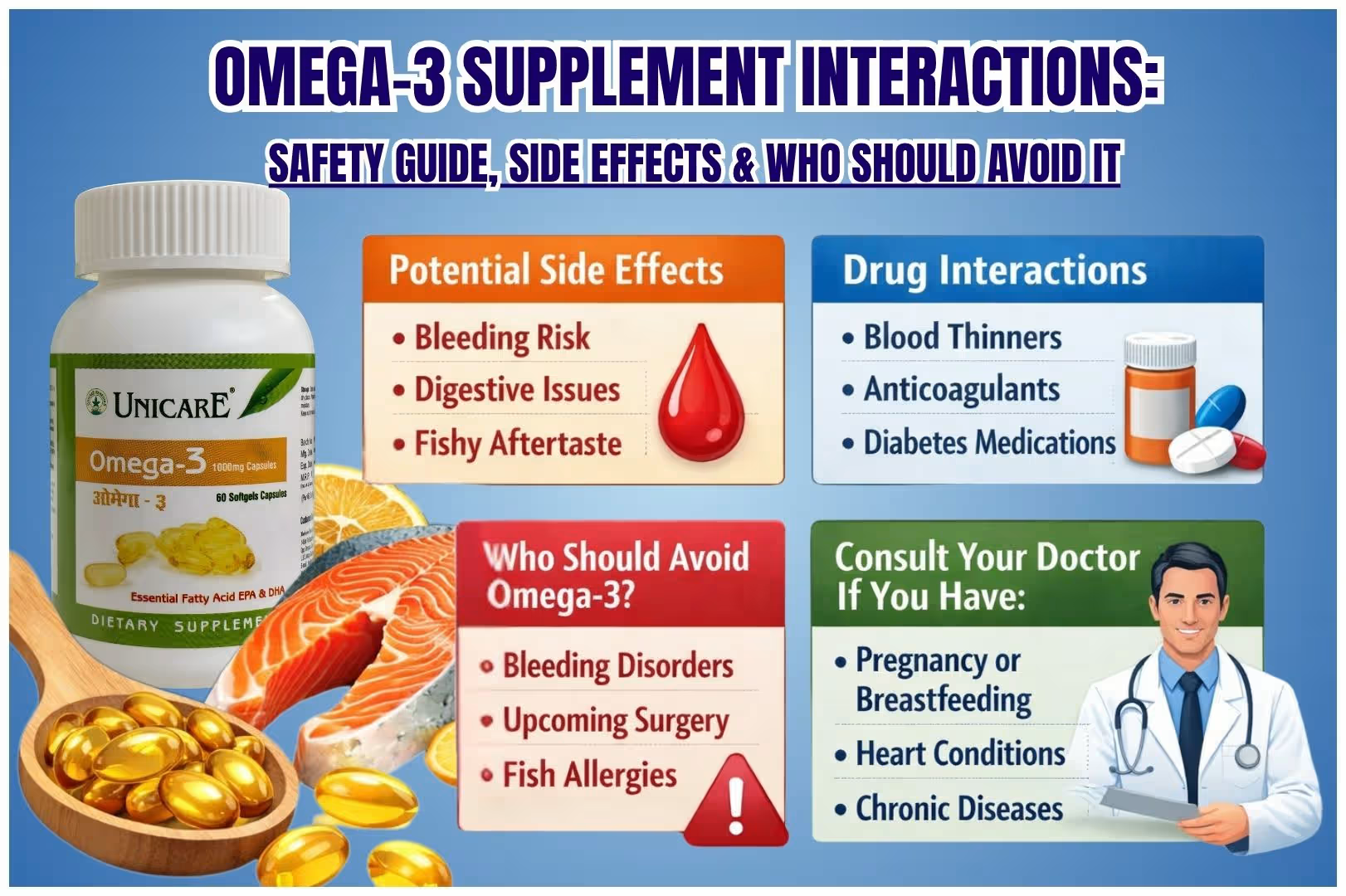
However, the real issue isn’t whether you consume them—it’s whether you consume them in the right balance. A high-quality option like Unicare Omega-3 1000mg ensures your body gets the essential fats it cannot produce on its own.
Omega-3 and Omega-6 are part of a group called essential fatty acids (EFAs). Your body cannot produce them, so they must come from your diet.
These fats are a type of polyunsaturated fatty acids (PUFAs), which are crucial for building and maintaining your cell membranes and supporting overall health.
Instead of being “good vs bad,” these fatty acids work together to regulate vital functions in your body.
To understand Omega fats better, it helps to know how fats are categorized:
PUFAs are more delicate and sensitive to heat and processing, which means their quality matters as much as quantity.
Omega-3 fatty acids play a powerful role in maintaining your health, especially by regulating inflammation.
Read more – 17 Science-Based Benefits of Omega-3 Fatty Acids
Adding a daily Omega-3 supplement is one of the simplest and most effective steps.
Omega-6 fatty acids are equally important and play a major role in cellular function and energy production.
Omega-6 fatty acids are critical for building cell membranes and supporting tissue growth.
They are a major energy source and play a role in metabolism.
They support reproductive health, immune response, and cellular signaling.
| Factor | Omega-3 | Omega-6 |
|---|---|---|
| Role | Anti-inflammatory | Pro-inflammatory (in excess) |
| Main Function | Brain & heart support | Energy & cell function |
| Sources | Fish, seeds, walnuts | Vegetable oils, processed foods |
| Intake | Usually low | Usually excessive |
Omega-3 and Omega-6 compete for space in your cells and influence how your body responds to inflammation.
Ideal Ratio – around 4:1 (Omega-6 : Omega-3)
Modern Diet Reality – often 10:1 to 25:1
This imbalance can disrupt cellular function and increase inflammation.
An excess of Omega-6 combined with low Omega-3 can lead to:
This imbalance is largely due to:
| Category | Food Source | Type of Fatty Acid | Key Benefits |
|---|---|---|---|
| Plant-Based | Flaxseeds | Omega-3 (ALA) | Supports heart health, reduces inflammation |
| Chia Seeds | Omega-3 (ALA) | Improves digestion, boosts energy | |
| Walnuts | Omega-3 (ALA) | Good for brain and heart health | |
| Hemp Seeds | Omega-3 (ALA) | Supports skin and hormonal balance | |
| Animal-Based | Salmon | Omega-3 (EPA & DHA) | Improves heart and brain function |
| Sardines | Omega-3 (EPA & DHA) | Reduces inflammation, supports bones | |
| Mackerel | Omega-3 (EPA & DHA) | Boosts immunity and heart health | |
| Anchovies | Omega-3 (EPA & DHA) | Supports cardiovascular health | |
| Oils & Processed Sources | Sunflower Oil | Omega-6 | Provides energy but high intake may cause inflammation |
| Soybean Oil | Omega-6 | Common cooking oil, often overconsumed | |
| Corn Oil | Omega-6 | High in Omega-6, should be limited | |
| Nuts & Seeds | Omega-6 | Supports growth but should be balanced with Omega-3 | |
| Processed Foods | Omega-6 | Excess intake linked to inflammation |
One of the most overlooked factors is oil quality.
Highly processed oils:
Even commonly used oils can degrade when overheated, altering their structure and potentially harming your health
Cut down on:
PUFAs are sensitive to heat—using them incorrectly reduces their benefits.
Whole, unprocessed foods provide healthier and more balanced fatty acids.
Truth: It’s essential—but harmful only in excess.
Truth: Balance is more important than quantity.
Truth: Processing and heating can make oils harmful.
Omega-3 and Omega-6 fatty acids are both essential—but their balance determines your health outcomes.
Instead of focusing on eliminating fats, the smarter approach is to:
Small, consistent changes in your diet can significantly improve your heart health, brain function, and overall well-being.
Unicare’s product is available for PAN-India delivery, with fast and reliable shipping across key regions including Karnataka, Delhi NCR, Andhra Pradesh, Telangana, Karnataka, Jharkhand, New Delhi and Odisha etc.
They are essential fatty acids your body cannot produce. Omega-3 helps reduce inflammation and supports heart and brain health, while Omega-6 supports growth and energy but can cause inflammation if consumed in excess.
They are essential fatty acids your body cannot produce. Omega-3 helps reduce inflammation and supports heart and brain health, while Omega-6 supports growth and energy but can cause inflammation if consumed in excess.
It supports brain health, reduces inflammation, and improves heart function.
The ideal ratio is around 1:4 (Omega-3 : Omega-6) for optimal health.
Flaxseeds, chia seeds, walnuts, and fatty fish are excellent sources.
Olive oil contains very small amounts of Omega-3 (around 0.5–1%). It is mainly rich in Omega-9 and is not a significant source of Omega-3.
No, but excessive intake can lead to inflammation and health issues.
Yes, oils like flaxseed oil and chia seed oil are high in Omega-3. However, they are not suitable for high-heat cooking. Canola oil offers a better Omega-3 to Omega-6 balance among cooking oils.
Increase Omega-3 intake (flaxseeds, walnuts, fatty fish) and reduce excess Omega-6 from processed foods and refined oils. Using balanced oils like mustard oil and ghee can also help.
Yes, oils like flaxseed oil and chia seed oil are high in Omega-3. However, they are not suitable for high-heat cooking. Canola oil offers a better Omega-3 to Omega-6 balance among cooking oils.
No account yet?
Create an Account