If you’ve ever wondered why doctors talk so much about blood cholesterol, you’re not alone. It’s one of the most common health topics today, especially with the rise of heart disease, obesity, and lifestyle-related issues.
Let’s break it down in a way that’s simple, practical, and easy to understand and how Unicare’s Hriday Mitra, best ayurvedic medicine for high cholesterol can help to manage cholesterol naturally.
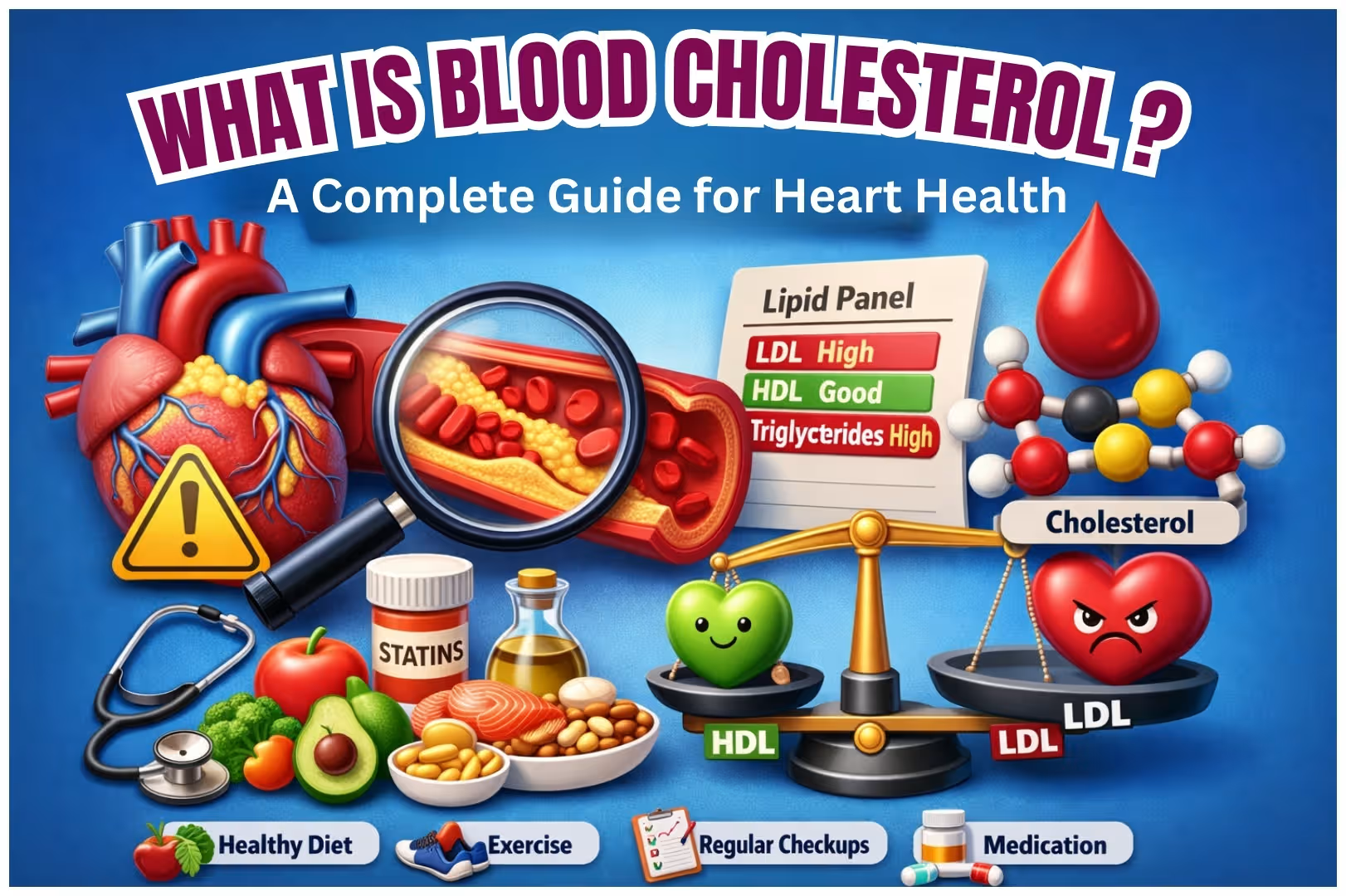
What Is Blood Cholesterol?
Blood cholesterol is a type of fat (lipid) found in your blood. Your body needs cholesterol to build healthy cells, produce hormones, and make vitamin D. But here’s the twist: too much cholesterol can be harmful, leading to heart disease, clogged arteries, and stroke.
There are two main types of cholesterol:
LDL (Low-Density Lipoprotein) – Often called “bad cholesterol,” because high levels can lead to plaque buildup in blood vessels.
HDL (High-Density Lipoprotein) – Known as “good cholesterol,” it helps remove excess cholesterol from your arteries.
Keeping a healthy balance is crucial for overall heart and blood vessel health.
How Does Cholesterol Enter Our Body?
You might be wondering, “Where does cholesterol come from?” There are mainly two sources:
Dietary cholesterol: Found in animal-based foods like eggs, meat, cheese, and butter.
Internal production: Your liver naturally produces cholesterol, which is essential for hormone production and cell repair.
When your intake of fatty foods is high or your liver produces too much cholesterol, it can start accumulating in your blood vessels.
Why Does Cholesterol Build Up in Blood Vessels?
Excess cholesterol can slowly stick to the walls of your arteries, forming something called plaque. Over time, plaque narrows the arteries, making it harder for blood to flow. This condition is called atherosclerosis, and it can lead to serious complications like heart attacks and strokes.
Factors that contribute to cholesterol buildup include:
Poor diet (high in trans fats and saturated fats)
Sedentary lifestyle
Obesity
Stress and hormonal imbalances
Smoking and alcohol consumption
Effects of Excess Cholesterol in the Body
When cholesterol levels go beyond normal, your body can face multiple issues:
Heart disease and chest pain (angina)
Blocked arteries leading to strokes or heart attacks
Poor circulation causing leg pain or numbness
Fatty deposits under the skin (xanthomas)
How Cholesterol Affects Blood Vessels
Think of your arteries as pipes carrying blood to your organs. When cholesterol sticks to the walls, it’s like gunk building up inside the pipes. This reduces blood flow, increases blood pressure, and puts extra stress on your heart. Over time, this can weaken your arteries and affect overall cardiovascular health.
Natural & Ayurvedic Way to Manage Blood Cholesterol
While medications are available, many people prefer natural ways to manage cholesterol. One trusted solution is Unicare’s Hriday Mita cholesterol care juice, an Ayurvedic formulation that supports:
Healthy cholesterol levels
Heart and blood vessel strength
Digestion and metabolism
Overall cardiovascular wellness
Hriday Mita works gently with your body, promoting balance without harsh side effects. It’s especially helpful if you’re looking for long-term heart health naturally.
Tips to Maintain Healthy Cholesterol Levels
Eat heart-friendly foods: Include oats, flax seeds, nuts, and fresh fruits and vegetables.
Exercise regularly: Even a 30-minute walk daily can improve HDL levels.
Avoid trans fats: Limit fried foods, processed snacks, and packaged baked goods.
Manage stress: Yoga, meditation, or simple breathing exercises can help.
Use Ayurvedic supplements: Hriday Mita can be incorporated into your routine for added support.